How to Divide an Inherited Coin Collection Fairly
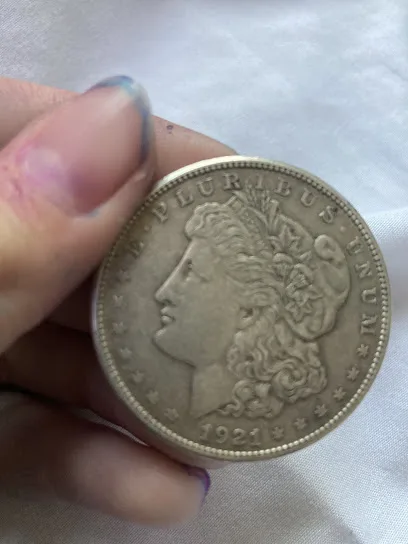
A fair division of an inherited coin collection starts with a shared inventory and a common way to compare values—not with each heir taking the same number of coins. Coins differ widely in metal content, condition, date, mint mark, and collector demand, so equal counts can produce very unequal shares. Agree on the process before anyone selects pieces, then use that process to balance both financial value and personal preferences.
Make a shared inventory before anyone chooses
First create one record that every heir can review. Give each coin or clearly defined group an identifier, then record its denomination, date, mint mark when visible, and any certification number or holder information. For a group of similar low-value pieces, a single lot entry may be practical; keep potentially distinct or valuable coins separate so they are not hidden inside a broad category such as “old silver.” If you are unsure of a date, mint mark, or type, mark it as unidentified rather than guessing.
Photograph both sides of individual coins, and take clear overview photographs of grouped material. Include the identifier in the image filename or inventory so a later estimate can be matched to the right coin. Keep the original arrangement visible in the photos before reorganizing boxes or albums. This record makes it easier to discuss the same object, prevents accidental duplication in the allocation, and gives everyone a way to check that a coin has not been overlooked.
Agree on how to estimate value
Choose one comparison basis for the collection before making individual shares. A market estimate for a coin is a reasoned indication of what it may sell for under a defined set of conditions; it is different from a dealer’s offer to buy it. A retail asking price, a recent completed sale, a bullion-based estimate, and an actual purchase offer answer different questions. Mixing these figures in one spreadsheet can make a share look larger or smaller simply because heirs used different kinds of numbers.
For ordinary pieces, record a consistent estimate and note what kind of figure it is. For a coin whose condition, rarity, or authenticity could substantially affect the balance, get an informed assessment before it is assigned. The grade and details of a numismatic coin can matter as much as its metal, while a bullion coin is often considered through its precious-metal content as well as any product premium. In Little Rock, AG Coin & Bullion is a local business. Keep any assessment tied to the specific purpose—division, potential sale, or another decision—rather than treating different figures as interchangeable.
Choose an allocation method everyone accepts
Once the inventory and comparison basis are in place, decide whether the family values simplicity, individual choice, or close dollar balance most. Agree on the rules before anyone picks a coin. These approaches can work in different situations:
- Alternating picks: Heirs take turns choosing a coin or a preassembled group, with the picking order reversed each round. This can suit a small collection when people can identify what they want and are willing to balance unequal picks afterward.
- Value-balanced bundles: Divide the inventory into groups with similar estimated totals, then let heirs choose among the bundles. This reduces repeated bargaining over every coin, though a bundle may include pieces an heir does not especially want.
- Preference-first allocation: Each heir identifies personally meaningful coins before the rest are assigned. The family then compares the value of each proposed share and addresses differences using the same agreed method.
Equal coin counts are a poor substitute for these rules: one certified rare coin may outweigh many common-date pieces, while a group of bullion coins may be comparable by weight and metal content rather than count. If personal meaning matters, name it openly as a family priority instead of pretending that each choice has only a cash value.
Settle imbalances and record the final division
Say three heirs each have a target share of roughly the same total, but one heir wants a particular coin that makes that proposed share noticeably larger. The family can revise the selections, offset the difference with cash or other estate property, or accept the imbalance if everyone freely agrees. The choice depends on the heirs’ priorities and available assets; a coin estimate is a comparison tool, not an exact promise of what a future sale will bring.
When selections are settled, update the inventory so each item has one recipient. Record the valuation basis and date used for comparison, any agreed balancing payment or property transfer, and any coins left jointly owned or still unassigned. Have each heir review the same final version. A clear record gives the family a practical account of what was distributed and how the agreed shares were reached.
Other guides worth a read
Should You Clean a Coin Before Selling It?
Usually, no. Learn why cleaning can harm a coin’s collectible surface, how to distinguish toning from dirt, and what to document before an appraisal.
A Safe Place for Coins Starts With the Right Holder
Learn how to handle coins gently, choose suitable long-term holders, control storage conditions, and organize an inventory that reduces unnecessary h…
Sell Rare Coins to a Dealer or at Auction?
Compare a direct dealer offer with auction bidding by buyer demand, likely net proceeds, timing, and the written terms that govern each route.
Editorial note. Honduras Collectibles is an independent directory and does not buy or sell coins, broker transactions, certify dealers, or promise quotes. Prices and percentages quoted reflect industry-typical ranges and are indicative only; spot price is a reference point, not a dealer offer. We do not provide professional valuation or investment advice.