King Philip Coin (Worcester, MA) — How to Decide If Their Bullion vs. Numismatic Focus Fits Your Coins
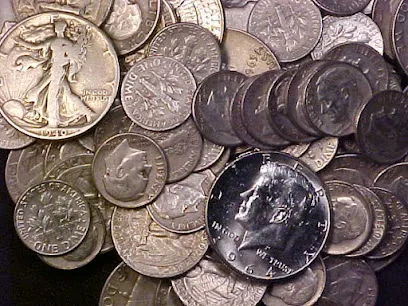
When you’re trying to sell a collection—or even one standout coin—your biggest risk usually isn’t “getting a low number.” It’s a scope mismatch: the dealer may evaluate your pieces using the wrong framework (bullion/metal value versus collector-grade numismatic detail). For collectors in Worcester, King Philip Coin is a locally referenced option at 324 Grove St, Worcester, MA 01605, and their public site describes buying and selling across U.S. and world coins, gold and silver bullion, and additional collectibles. The practical question is: what will they actually price your items as, and what information will they require before they quote?
Start with the pricing frame: bullion, numismatic, or a blended offer
King Philip Coin’s website emphasizes both bullion buying/selling and coin expertise, including “U.S. and world coins” and “bullion coins, bars” alongside precious metals. That breadth is helpful, but it also means you should confirm how they split value when you have mixed material. When you call, ask for clarity on whether they:
• Treat your bullion pieces by metal content/market pricing, and
• Treat your rare coin / numismatic pieces by collector-grade attributes (date, condition, rarity, or similar identifiers).
If your submission includes both bullion and collectible coins, you want to know whether they calculate separate lines for each category or whether they bundle everything into a single “lot” number.
What to send (and what to keep out) before you get a quote
A dealer can’t evaluate accurately if the inputs are incomplete or if you’re mixing items that should be separated. Before you drive over (or schedule an appointment), separate your material into piles such as: bullion bars/coins, clearly identified date/key coins, and “miscellaneous” items (scrap jewelry, mixed foreign coins, or damaged pieces). King Philip Coin’s site notes that they buy precious metals “in all forms” and also covers additional collectibles, so your sorting helps them apply the correct method to each group.
As a rule, ask what they want you to provide: original packaging or envelopes (if you have them), photos of both sides, and any existing paperwork you trust (for example, prior certifications—if you already own them). Even if you don’t have paperwork, a quick photo inventory can speed up how they categorize your items.
Use their “appraisal” messaging to ask what output you’ll receive
King Philip Coin describes itself as an estate specialist and certified appraiser, and it also mentions free verbal appraisals plus certified written appraisal. That’s a strong lead, but the key is to confirm the format and timing for your specific goal. If you’re selling, you may only need a purchase offer. If you’re dealing with inheritance, an estate, or documentation needs, you may require a written appraisal.
When you talk to them at +1 508-859-0707, ask:
• Are verbal estimates sufficient for buying quotes, or is a written certified document required for certain transactions?
• If you request written appraisal, what details must be confirmed before they finalize it?
• Do they evaluate by appointment only, or can they handle quick intake for straightforward items?
Getting crisp answers here helps you avoid surprises later.
Confirm the dealer’s “range” so you don’t get the wrong room number
King Philip Coin’s site lists a wide span of interests beyond coins and bullion—mentioning antiques and collectible categories. That can be a benefit, but for a collector it also means you should confirm that the exact items you brought fall inside their active buying scope today. For example, if you have a high-end numismatic coin versus a common-era bullion coin, ask whether they treat them differently in practice.
If you’re unsure whether a piece is “rarer than it looks,” request a straight explanation of what signals they’re using. You don’t need mystery—just transparency on the evaluation approach.
Make a clean decision: ask for category-separated numbers
Before you accept any offer, aim to leave the conversation with a price structure you can understand: metal-value pricing for bullion components, and collector-grade evaluation for numismatic coins. If you have mixed items, insist on how they’re categorizing each part of your submission. That’s the simplest way to protect yourself from bundling risk—especially when your collection includes both gold/silver bullion and collectible coins.
If you want to start with the most relevant information, visit http://kingphilipcoin.com/, then call and match your inventory to the categories discussed on their site. With a clear bullion vs. numismatic framing and a confirmed appraisal output (verbal versus certified written), you’ll be in a much better position to judge whether they’re the right dealer fit for your coins and precious metals.
Other guides worth a read
Rogue Coin & Jewelry in Asheville: Is Your Gold Item Bullion or Scrap?
A practical way to sort coins, bullion, and scrap gold before contacting Rogue Coin & Jewelry in Asheville—and what to clarify about the item and its…
Silver Mountain Coin & Jewelry: Separating Numismatic Interest from Bullion Value in Asheville
Silver Mountain Coin & Jewelry lists coins, bullion, paper money, gold, and silver in Asheville. Learn how to organize a collection and frame a focus…
WNC Coins in Asheville: Choosing a Rare-Coin or Bullion Inquiry
WNC Coins lists rare coins, gold and silver bullion, and jewelry among its buying and selling areas. This guide helps Asheville readers decide what i…
Editorial note. Honduras Collectibles is an independent directory and does not buy or sell coins, broker transactions, certify dealers, or promise quotes. Prices and percentages quoted reflect industry-typical ranges and are indicative only; spot price is a reference point, not a dealer offer. We do not provide professional valuation or investment advice.