Selling an Inherited Coin Collection? Start With an Inventory
Before selling an inherited coin collection, make a basic inventory and preserve the material that came with it. You do not need to identify every variety or assign a price first. A clear record helps you understand what is present, keep family information attached to the right pieces, and discuss the collection without treating an uncertain guess as fact.
Organize the collection into a usable inventory
Begin with broad groups that are easy to recognize: country, denomination, metal or general type, and whether coins appear to be loose, in albums, or in sets. Give each group or individual item a simple number. If the collection is small, one line per coin may be manageable; for a larger holding, number the groups and record notable pieces separately. The goal is to make the collection traceable, not to create a professional catalog.
For each entry, write only what you can read or observe. A useful record can include:
- Country and denomination, if visible.
- Date and mint mark, copying the characters as they appear rather than inferring a missing or unclear mark.
- Count, holder or album location, and any visible label already attached.
- A short description of unusual features, with a question mark beside a detail you are unsure about.
For example, an entry such as “United States, one-cent coin, date appears to be 19[?]8, mint mark unclear, album page 3” is more useful than confidently naming a variety from a quick glance. Separate, consistent records also make it easier to spot duplicate dates or denominations later without repeatedly handling every coin.
Preserve clues and distinguish observations from guesses
Keep envelopes, old collection notes, receipts, dealer cards, and family records with the coins they describe. An inscription on an envelope or an old list may explain why a relative saved a piece, where it came from, or how it was previously organized. Those details can guide further identification, though a handwritten label should remain a clue rather than silently becoming a confirmed attribution.
Use two kinds of notes: observable details and unresolved questions. “Dark spot near the rim” is an observation; “rare error” is a conclusion that requires identification. If a label names a date, variety, grade, or value, copy it as a former label and preserve its source, rather than presenting it as your own verified finding. Avoid cleaning, polishing, bending, or removing coins from holders just to make the inventory look uniform. Such changes can remove information or alter surfaces that matter to collectors. Photographing a group in its existing holder can help document its arrangement, while written records capture small details a broad photo may miss.
Choose a selling route that fits the collection and your priorities
Different routes solve different problems. A coin dealer may make a direct offer for pieces the business wants to buy, which can reduce the seller’s work of finding individual buyers. Ask which items or groups are included and whether the offer covers the entire collection or only selected coins; a single total can otherwise obscure what is being purchased.
An auction or individual sale may be worth considering when separate pieces attract different kinds of buyers, but the seller takes on more decisions. Listings need accurate descriptions and usable images, and sale terms can involve fees, timing, shipping, and the possibility that an item does not sell as expected. Compare the net proceeds and effort, not just a displayed bid or asking price. If convenience matters most, a direct sale may be simpler; if you are willing to research and manage several transactions, separating items may give you more control over how each is presented.
Use the inventory to make the comparison concrete: identify the groups each route would handle, note any charges or terms, and record the amount offered for the same set of items. That makes a dealer offer and a sale-by-sale estimate easier to evaluate on comparable terms without assuming that every coin has the same market or collector appeal.
Make an appraisal conversation specific
Before discussing an appraisal, decide what question you need answered. You might want help identifying selected coins, a verbal opinion about a group, or a written document for a particular purpose. Those are not automatically the same service. Ask whether the review covers the complete collection or only selected pieces, what form the result takes, and whether any charge applies to the kind of evaluation you need. An appraisal conversation can be more focused when you bring your numbered inventory and point out which identifications remain uncertain.
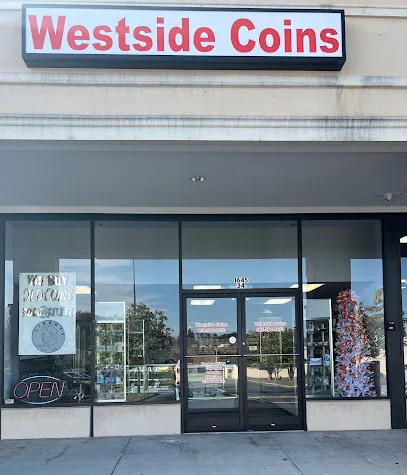
In Knoxville, WestSide Coins says it offers free verbal appraisals for rare coins, buys and sells U.S. coins and paper money, and does not require an appointment. Those details may help you decide whether its stated offering fits the question you want to bring.
Use the resulting information to decide what to do with the collection, rather than treating an identification, appraisal, or offer as an instruction to sell. The inventory remains useful even if you choose to keep some coins or handle different parts of the collection through different routes.
Other guides worth a read
When Is a Coin Worth More Than Its Metal?
Learn how to estimate a coin’s precious-metal baseline, compare it with completed sales of the same issue, and judge what an actual offer means.
What a Coin’s Mint Mark Can—and Can’t—Tell You
A mint mark points to a coin’s producing mint. Learn how to read it with the date and design, and why it does not determine rarity or value by itself.
Before You Bid on a Coin Online, Check the Lot, Costs and Terms
Identify the exact coin, assess what the listing shows, calculate the complete purchase cost, and understand the auction clock and post-sale terms be…
Editorial note. Honduras Collectibles is an independent directory and does not buy or sell coins, broker transactions, certify dealers, or promise quotes. Prices and percentages quoted reflect industry-typical ranges and are indicative only; spot price is a reference point, not a dealer offer. We do not provide professional valuation or investment advice.