Should You Clean a Coin Before Selling It?
Usually, you should leave a coin untouched before selling it or having it appraised. Polishing, rubbing, or using a cleaning product can leave fine scratches or alter the surface that a buyer or numismatic evaluator needs to examine. A brighter coin is not automatically a more desirable coin: its existing luster, wear, and surface condition are part of its story and influence how collectors assess it.
Leave the coin untouched before evaluation
Cleaning changes evidence. A coin’s original surface may show the way light moves across it, small contact marks, circulation wear, and other details that help distinguish its condition. Abrasive cloths and polishing compounds can create hairline scratches; even wiping a coin with a soft fabric may drag particles across the metal. The resulting surface can look unnaturally bright or smooth compared with an unaltered example.
That matters because condition is not simply a contest for the shiniest appearance. Collectors and dealers consider whether the coin’s surface looks original, how much detail remains, and whether marks are consistent with its history. A cleaned coin may still be identifiable and collectible, but the alteration can affect how it is evaluated. Before a sale, keep the coin as found rather than trying to improve its appearance for photographs or a potential offer.
Tell surface color and wear from removable dirt
Toning is color that develops on a coin’s surface over time. Copper may darken, while silver can take on gray or other hues. Color by itself does not mean the coin is dirty, and some collectors value natural-looking toning as part of the coin’s character. Color also varies, so a quick visual impression is not enough to decide that a coin needs treatment.
Wear and small marks are different from loose material sitting on the surface. Circulation can soften raised design details and leave contact marks; those changes are part of the coin’s condition, not grime to be polished away. Rubbing can flatten or blur features that are still useful for identification and assessment. If you are unsure whether a mark is wear, toning, or residue, preserve the surface and record what you see rather than experimenting.
Lighting can help you describe a coin without changing it. View both sides under even light, then use a magnifier only if you can do so without touching the surface. Note where the color or mark appears and whether it is raised, dull, or irregular. These observations are not a grade, but they can make a later conversation about the coin more specific.
Treat deposits and corrosion as reasons for extra caution
Sticky green residue, powdery patches, flaking, or an unknown deposit deserves a different response from ordinary color variation. Such material may be associated with deterioration, and its appearance alone may not identify what it is. Scraping can remove metal or detail along with the deposit; household cleaners and improvised chemical treatments can also change the surface in ways that are difficult to reverse.
Keep the coin separate from other pieces if loose material could transfer, and avoid rubbing or picking at it. If the coin is enclosed in a holder, do not force it out simply to inspect the surface. A knowledgeable numismatic professional can examine the affected area and advise whether any intervention is appropriate. The immediate goal is to preserve the coin’s present state so the cause and extent of the material can be assessed.
Document the coin without changing it
You can prepare useful information for an evaluator while leaving the coin alone. Work through these notes before taking it to a dealer or sharing photographs:
- Record the basics. Write down the denomination, date, and mint mark if visible. Do not guess at a detail that is unclear; note it as uncertain.
- Photograph both sides. Use clear, even lighting and keep the camera steady. Include the whole coin in each image, then take a closer view only when it helps show a particular feature.
- Describe the condition you can see. Note discoloration, residue, damage, or an unusual mark in plain terms. Keep your description separate from conclusions about grade or authenticity.
- Preserve its current state. Keep the coin in a suitable existing holder when possible and avoid handling its faces. If it is loose, hold it by the edge while moving it.
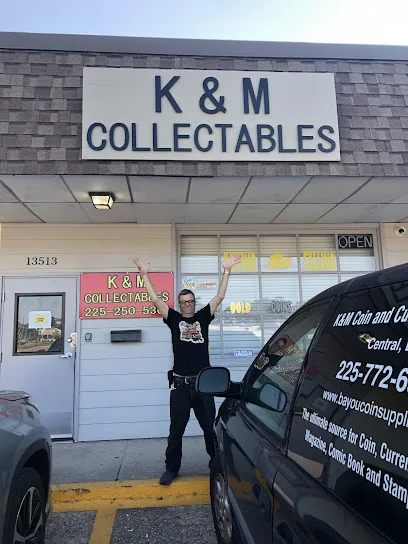
Collectors looking for coin and currency collecting supplies can find K & M Collectables. For a coin headed to appraisal or sale, an accurate record and an unchanged surface give the next evaluator more useful information than a shine created at home.
Other guides worth a read
A Safe Place for Coins Starts With the Right Holder
Learn how to handle coins gently, choose suitable long-term holders, control storage conditions, and organize an inventory that reduces unnecessary h…
Sell Rare Coins to a Dealer or at Auction?
Compare a direct dealer offer with auction bidding by buyer demand, likely net proceeds, timing, and the written terms that govern each route.
Is Third-Party Coin Grading Worth the Cost Before a Sale?
Learn when professional coin certification may help a sale, how to count the full submission cost, and how to compare relevant completed sales.
Editorial note. Honduras Collectibles is an independent directory and does not buy or sell coins, broker transactions, certify dealers, or promise quotes. Prices and percentages quoted reflect industry-typical ranges and are indicative only; spot price is a reference point, not a dealer offer. We do not provide professional valuation or investment advice.