Silas Deane Pawn Bloomfield (Gold Buyer) — Decide If Their Coin & Bullion Process Fits Your Sell Call
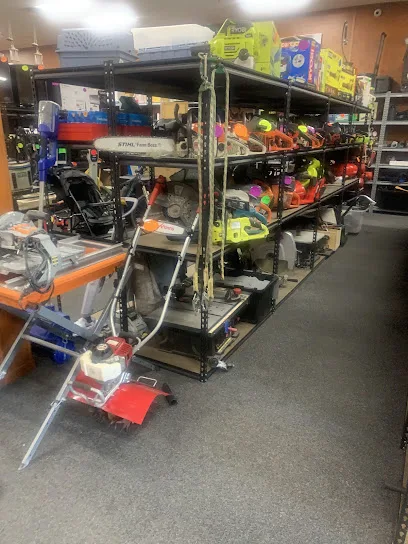
When you’re selling coins, gold, or other precious metals, the “right buyer” isn’t only about the number they quote—it’s about how they classify your material and what evidence they use to justify it. Silas Deane Pawn Bloomfield (Gold Buyer) is one option to consider if you’re in Connecticut and want a local place that publicly states it buys gold and related value items. Before you commit to a sell, it helps to run a short fit-check based on how their public-facing information aligns with what you’re bringing.
Start with the basics: what they publicly buy and how that impacts coin vs. bullion sorting
Silas Deane Pawn’s site describes the shop as buying items with resale value and explicitly mentions gold, jewelry, and diamond jewelry. The same “value/resale” framing matters for collectors because coins and bullion often get handled differently in real life: some dealers focus on numismatic demand (condition, rarity, grade), while others treat many items as bullion or scrap equivalents. If you’re bringing a mix—say, ungraded coin sets alongside loose rounds or scrap gold—your call should clarify whether they separate your box by category (coin vs. bullion) or evaluate everything under one resale model.
Use their contact signals to confirm you’re speaking about the Bloomfield store: the shop lists 727 Park Ave, Bloomfield, CT 06002, United States and phone +1 860-206-9650. Their official website is http://www.silasdeanepawn.com/.
Verify their “classification conversation” before you show up
For coin sellers, the most practical question is not “what’s your price?” but “how are you deciding what I have?” A fit call should cover at least three points: whether they consider your coins as numismatic inventory or as bullion-type equivalents; what they do when coins are damaged, cleaned, or unidentifiable; and whether they separate gold and related items by purity/weight (for gold) versus market demand (for collectible numismatics).
Even if a store says it buys gold broadly, your real leverage is your item map: list each category (for example: common-date coins, modern bullion, scrap gold pieces) and ask how each category is priced. If their process is consistent with a coin and bullion lane approach, you’ll usually get fewer surprises at the counter.
Ask what “testing” means for coins, not just for jewelry or electronics
The shop’s public site content emphasizes that items they buy are “carefully looked over” and “fully tested” before purchase. That statement is helpful, but coins have specific evaluation needs: authenticity and grade evaluation (even informal), surface condition, and whether they can identify key varieties. When you call, ask for plain-language details about what they examine for coins and bullion—especially if your coins are ungraded, worn, or mixed with scrap or jewelry.
This is where you protect yourself as a seller. If the evaluation method sounds generic (“we’ll assess value”) without explaining how they approach authenticity, condition, and classification, ask them how they handle cases where coin value depends on more than just weight.
Bring the right documentation cues for a smoother gold & silver decision
To reduce back-and-forth, prepare a simple evidence packet. You don’t need certificates for every item, but you should be ready to describe what you have. For bullion and scrap gold, weight and visible hallmarks (when present) help anchor the discussion. For coins, note denomination, approximate age range, and any known grading history. If you have photos or purchase notes, that can support your description—even if you’re only seeking a rough quote before deciding whether to sell.
Because Silas Deane Pawn is publicly described as a general-value buyer (not a strictly graded-coin specialist in the information provided), the most important step is still alignment: confirm that their offer process matches the type of coin or metal you’re selling and that they’ll treat your coins as coins rather than defaulting to a one-size bullion-equivalent approach.
What a “good fit” call should feel like
A fit call typically produces clarity. You should leave the conversation knowing whether they accept your categories, how they separate coin vs. bullion decisions, and what kind of evaluation they perform. If they can explain the classification logic in a way that matches your item map, that’s a strong sign they’re set up to handle your sell call with fewer surprises.
If you’re ready to reach out, start with the public Bloomfield signals: 727 Park Ave and +1 860-206-9650, and use their site (http://www.silasdeanepawn.com/) to reference that you’re calling specifically about the Bloomfield “gold buyer” location.
Other guides worth a read
Rogue Coin & Jewelry in Asheville: Is Your Gold Item Bullion or Scrap?
A practical way to sort coins, bullion, and scrap gold before contacting Rogue Coin & Jewelry in Asheville—and what to clarify about the item and its…
Silver Mountain Coin & Jewelry: Separating Numismatic Interest from Bullion Value in Asheville
Silver Mountain Coin & Jewelry lists coins, bullion, paper money, gold, and silver in Asheville. Learn how to organize a collection and frame a focus…
WNC Coins in Asheville: Choosing a Rare-Coin or Bullion Inquiry
WNC Coins lists rare coins, gold and silver bullion, and jewelry among its buying and selling areas. This guide helps Asheville readers decide what i…
Editorial note. Honduras Collectibles is an independent directory and does not buy or sell coins, broker transactions, certify dealers, or promise quotes. Prices and percentages quoted reflect industry-typical ranges and are indicative only; spot price is a reference point, not a dealer offer. We do not provide professional valuation or investment advice.