The Boston Coin Appraisal Guide (Quincy/Boston, MA): How to Verify a Fair Quote for Coins, Gold & Silver
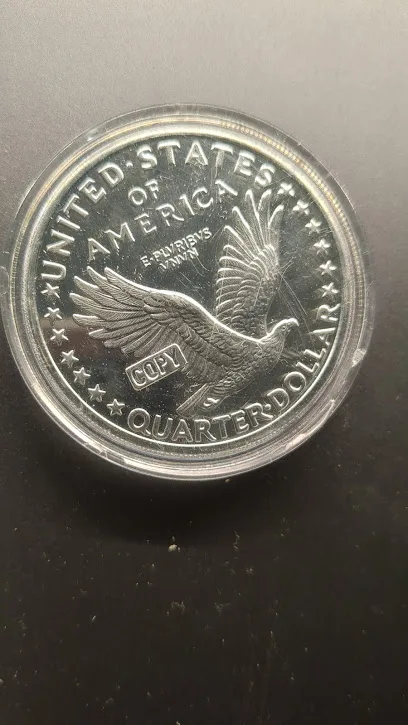
One of the most common points of friction in coin sales isn’t a low offer—it’s a quote that’s hard to justify. If you and the dealer aren’t evaluating the same category (or the same date range), the price can feel arbitrary even when it’s “correct” for the constraints being applied. The Boston Coin is presented as a coin collection shop and rare coin dealer serving the Boston/Quincy area, and its published information includes specific boundaries you can use to confirm that your items are being appraised the way you expect.
Confirm the appraisal scope: the pre-1964 condition matters
The clearest starting point is the site’s stated appraisal boundary. The shop’s information specifies that “only coins appraised are on pre-1964 (US Coins).” That constraint can directly affect how your collection is categorized and priced, particularly if you’re bringing a mixed-date set. Before you schedule or show up with coins, ask how any post-1964 pieces will be handled so your appraisal conversation doesn’t shift after inspection.
Match the contact record before you bring in your collection
When you’re coordinating an appointment for a coin appraisal, use the business details that are published for that specific record. The listing tied to The Boston Coin includes 859 Willard St Suite 400, Quincy, MA 02169, United States and the phone number +1 508-603-9128, with official information at https://www.buysellcoins-ma.com/. Verifying these signals helps you confirm you’re working with the intended dealer—especially if you’re searching quickly after inheriting a collection or moving on short notice.
Understand how “free” appraisals can still lead to a decision
The shop’s messaging includes the idea of “free, accurate appraisals” for personal coin collections, but it also describes conditions around an appraisal fee. The site notes a normal appraisal fee of $150.00 and states that someone “will be charged if they decide not to sell the collection or coin.” Even if the number you see first is appealing, this type of term influences how you prepare and how you manage expectations. If you’re going in primarily to gather information, confirm the fee triggers and what you receive from the appraisal so you know what changes if you decide not to move forward.
Separate numismatic coin value from bullion-style value
Coins, gold, and silver don’t always get evaluated using the same lens. A quote for bullion-grade precious metals can follow different logic than a quote for collectable coins where date, condition, and category play a bigger role. The Boston Coin’s positioning emphasizes coin appraisals and rare coin dealer expertise, and its information points to a focus on coins as well as precious metals inventory. Before you discuss pricing, separate what you brought into two groups: (1) coins you expect to be treated as collectable/numismatic, and (2) items that behave like bullion or precious-metal weight in the dealer’s process. This separation helps prevent category blending that can otherwise make the offer feel confusing.
Bring the details that help the dealer categorize condition and date
To keep the appraisal conversation grounded, bring whatever documentation and condition notes you already have. Include labels, envelopes, dates, and any storage or handling information. Because the shop’s published scope highlights pre-1964 coins, having clear date information (even if it’s handwritten on an envelope) can reduce ambiguity about what belongs in the eligible portion of your lot. If you don’t have formal grade submissions, be ready to describe surface wear, visible marks, and how the coins have been kept. The goal isn’t to “sell a story”—it’s to make it easier for the dealer to assign the correct category and interpret condition consistently.
Ask for the explanation behind the number
A fair quote should connect the final price to the item category, the stated appraisal boundaries, and the condition you provided. Use the shop’s published signals—appointment approach, the pre-1964 appraisal focus, and the appraisal-fee condition tied to whether you sell—to frame your questions. After you receive a number, ask how the dealer determined it based on the coin type, the date range, and the condition you brought in. When the pricing logic is transparent, you can make a confident decision rather than relying on an unexplained number.
Ultimately, clarity comes from alignment: the dealer’s stated appraisal constraints, your collection’s date range and category, and the decision terms that apply if you proceed or do not. With that alignment, The Boston Coin’s appraisal conversation becomes easier to evaluate—because you can verify the rules being used before you commit to selling.
Other guides worth a read
Rogue Coin & Jewelry in Asheville: Is Your Gold Item Bullion or Scrap?
A practical way to sort coins, bullion, and scrap gold before contacting Rogue Coin & Jewelry in Asheville—and what to clarify about the item and its…
Silver Mountain Coin & Jewelry: Separating Numismatic Interest from Bullion Value in Asheville
Silver Mountain Coin & Jewelry lists coins, bullion, paper money, gold, and silver in Asheville. Learn how to organize a collection and frame a focus…
WNC Coins in Asheville: Choosing a Rare-Coin or Bullion Inquiry
WNC Coins lists rare coins, gold and silver bullion, and jewelry among its buying and selling areas. This guide helps Asheville readers decide what i…
Editorial note. Honduras Collectibles is an independent directory and does not buy or sell coins, broker transactions, certify dealers, or promise quotes. Prices and percentages quoted reflect industry-typical ranges and are indicative only; spot price is a reference point, not a dealer offer. We do not provide professional valuation or investment advice.