The Details That Identify a U.S. Coin
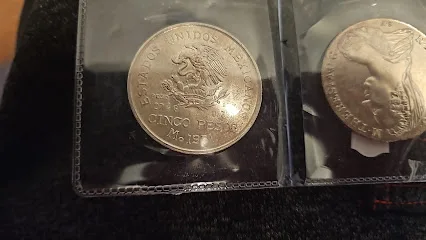
A useful coin identification starts with observable details, not a guess about rarity or value. First establish that the object is a U.S. coin and identify its denomination and design. Then record the date and mint mark, and compare any possible variety against a reference that matches those details. This sequence helps you search for the right issue even when a digit or mark is difficult to read.
Start with the country and coin type
Begin by deciding whether you are looking at a U.S. coin, a foreign coin, a token, or a medal. An eagle, portrait, or familiar motto can appear on more than one kind of object, and a token or medal may imitate the look of official coinage without belonging to the same reference series. Read the inscriptions on both sides and note the issuing country when it is stated. If the language or lettering is unfamiliar, record what you can see rather than forcing a U.S. identification based on one image.
Next, determine the denomination. Some U.S. coins state a value plainly, while others rely on familiar legends, symbols, and design conventions. Examine the words and numerals around the edge and on both faces. Avoid using size or color alone: different denominations can be similar in appearance, and wear, toning, or lighting can change how a coin looks in a photograph.
Describe the main design in specific terms. Record the portrait, building, emblem, or other central image, along with any named design or series wording you can read. “A coin with a person on it” is too broad to guide a reference search; “a U.S. coin with a right-facing portrait and a shield on the reverse” narrows the possibilities. The design also helps distinguish a circulating issue from a commemorative coin or a bullion-oriented piece, though visual appearance alone does not establish metal composition.
Read the date and mint mark as a pair
Write down the date exactly as it appears. If a digit is worn, obscured, or blurred, record the readable portion and mark the uncertain character with a question mark—for example, “19?8.” Completing the date from what seems likely can send a search toward a different issue and cause later details to appear to fit when they do not.
Look for a mint mark, but do not expect it in one universal position. Its location can vary with the coin’s design and year, so inspect both sides and compare the coin with an image of the same general type. A tiny letter near a date or design element can be easy to miss. Conversely, a mark-like spot may be damage, dirt, or a reflection rather than a mint mark.
An absent visible mark is a detail to record, not a complete identification by itself. Some issues have no mint mark, and the meaning of its presence or absence depends on the specific series and year. Once you have a likely type and date, check a reference image for where that issue’s mint mark belongs and whether the reference records a marked and unmarked version.
Compare design details before naming a variety
After the basic issue is narrowed down, ask whether a recognized variety exists for that denomination, design, date, and mint mark. A variety is a documented difference in a coin’s design or production, not simply any unusual-looking line. Reference images and descriptions may identify a changed letter, a feature in a different position, or another specific diagnostic. Use the stated diagnostic rather than relying on a general impression that one coin looks “different.”
Separate intended design features from condition. Scratches, dents, corrosion, uneven wear, residue, and shadows can create shapes that resemble a variety marker. Compare the same area at a similar angle and magnification, and look for the feature in more than one clear image when possible. A diagnostic should be repeatable and located where the reference says it should be; a mark that appears only under one lighting angle is a weaker basis for naming a variety.
This distinction matters for both numismatic coins and bullion coins. Identification describes what the object is; condition and metal content are separate questions. A silver-colored surface does not establish that a coin is silver, and a gold-colored finish does not by itself identify gold bullion. Keep those questions separate while you establish the design and issue.
Build a reference-ready description
Put your observations into one consistent line before searching. A compact record makes it easier to compare references and prevents a doubtful detail from quietly becoming a fact:
- Country and object: U.S. coin, foreign coin, token, or medal, if known.
- Denomination and design: stated value or likely denomination, plus the portrait, emblem, or named type.
- Date and mint mark: exact visible date and mark, using “unclear” where needed.
- Distinctive feature: the specific design detail you want to compare, described without calling it a variety yet.
Search a coin reference with the denomination, type, date, and mint mark together, then compare the pictured obverse and reverse—not only a matching date. Check that the reference’s design and mark placement correspond to your coin. If a key feature remains unreadable, use the readable details to find a short list of possible issues and keep the unresolved part explicit. That is a more reliable identification than choosing the entry that merely looks closest.
Readers looking for a local coin dealer can find Kedzie Koins & Jewelry Inc in Chicago.
Other guides worth a read
How to Divide an Inherited Coin Collection Fairly
A shared inventory, consistent value estimates, and an agreed selection method can help heirs divide coins fairly without relying on equal coin count…
Should You Clean a Coin Before Selling It?
Usually, no. Learn why cleaning can harm a coin’s collectible surface, how to distinguish toning from dirt, and what to document before an appraisal.
A Safe Place for Coins Starts With the Right Holder
Learn how to handle coins gently, choose suitable long-term holders, control storage conditions, and organize an inventory that reduces unnecessary h…
Editorial note. Honduras Collectibles is an independent directory and does not buy or sell coins, broker transactions, certify dealers, or promise quotes. Prices and percentages quoted reflect industry-typical ranges and are indicative only; spot price is a reference point, not a dealer offer. We do not provide professional valuation or investment advice.