Village Coins & Collectibles LLC: Separate Coins, Bullion & Scrap Gold Before You Sell
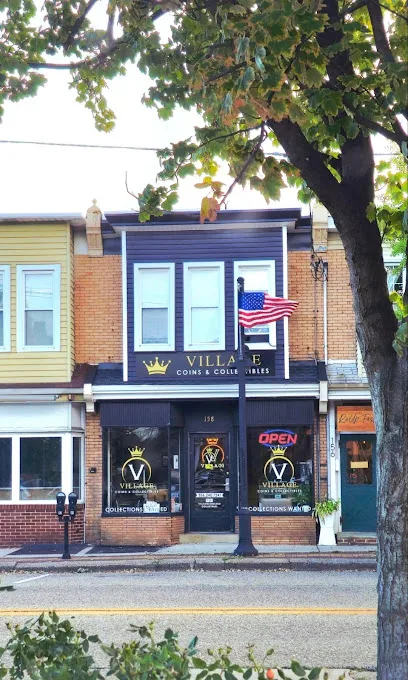
When you’re selling a mixed assortment, the difference between a smooth intake and a confusing one often comes down to categorization. Village Coins & Collectibles LLC is a rare coin dealer with buying categories that extend beyond coins, including U.S. coins, foreign world coins, gold and silver/bullion, and related collectibles—plus jewelry. If your items include both coin-oriented pieces and bullion-style precious metals (and possibly scrap gold), you’ll want to verify that their intake process separates those categories rather than treating everything the same way.
What their public buying categories suggest about intake
You can reach Village Coins & Collectibles at 158 Haddon Ave, Haddon Township, NJ 08108, United States, by phone at +1 856-240-7241, or through http://villagecoins158.com/. Since the shop publicly signals it buys across multiple categories—coins, foreign world coins, precious metals/bullion, and related items—your first goal is to confirm that this shows up in how they review mixed submissions.
In practice, that means you’re looking for evidence that their intake distinguishes numismatic coins from bullion-style precious metals and that it handles scrap-gold-type items as its own category rather than lumping them into coin pricing logic.
How to tell whether coins and bullion are treated differently
Numismatic coins are typically approached with a focus on the coin itself—identification and condition—because collectors care about the specific coin. Bullion-style precious metals are usually discussed differently, with the metal category and the way the item presents taking center stage (including whether it resembles a recognizable coin/round versus something that may have been broken down or altered).
During your call, listen for whether the dealer describes category-aware processing. A strong sign is that they answer your mixed-items question using language about how they sort and categorize, not just a general statement that they buy a wide range of items.
Scrap gold: don’t assume it follows the same logic
Scrap gold often changes the conversation because it can’t always be evaluated the same way as an intact coin or a neatly presented bullion-style piece. Even though Village Coins & Collectibles’ categories include gold and silver/bullion and also include jewelry and related items, that doesn’t guarantee scrap-gold evaluation follows the same “coin-style” approach.
To get clarity, use straightforward language and ask how they separate items that might be scrap from items that are better treated as collectible coins or bullion-style metals. The key is to confirm that their process accounts for what’s being evaluated—coin identification/condition versus metal-category evaluation—rather than treating every precious-metal item interchangeably.
Use a conversational intake sequence for your mixed lot
Instead of trying to run a rigid script, keep it friendly and process-focused. A practical first question could be:
“I have a mix—some numismatic coins and some gold or jewelry that may be closer to scrap. How do you separate categories when you review items?”
Then, follow with one or two targeted prompts that invite a description of their method:
- “When you intake mixed submissions, how do you prevent bullion-style metals from being treated like collectible coins?”
- “How do you categorize scrap or damaged precious-metal items compared with intact bullion-style pieces?”
- “If I bring multiple types—coins, bullion-style metals, and jewelry—what labeling or organization do you use during review?”
You’re not trying to force a yes/no answer on the spot. You’re checking whether their intake process can actually keep categories distinct—because that usually leads to more consistent, less surprising outcomes for sellers with mixed items.
Estate context can influence how they talk about verification
Village Coins & Collectibles’ broader offerings also reference estate appraisals. If you’re consolidating family items—rather than selling a single type of piece—that context can matter. It often means the dealer’s discussion may focus more on identification and condition, since estate collections can include a wide range of items and states of preservation.
For coins, that typically connects to identification markers and observable wear. For precious metals and related jewelry categories, verification should connect to how they confirm what they’re looking at and how they categorize it during intake.
Confirm the logistics the same way you confirm the categories
Once you’ve gotten comfortable that the intake process separates categories, confirm logistics using their published contact paths. Call +1 856-240-7241 or visit http://villagecoins158.com/. Ask whether they can handle your specific combination—numismatic coins plus bullion-style precious metals—and any scrap-gold or jewelry-related pieces you plan to bring.
When the dealer’s categorization approach matches what you’re bringing, the conversation becomes more informative and your selling decision relies less on guesswork.
Other guides worth a read
Rogue Coin & Jewelry in Asheville: Is Your Gold Item Bullion or Scrap?
A practical way to sort coins, bullion, and scrap gold before contacting Rogue Coin & Jewelry in Asheville—and what to clarify about the item and its…
Silver Mountain Coin & Jewelry: Separating Numismatic Interest from Bullion Value in Asheville
Silver Mountain Coin & Jewelry lists coins, bullion, paper money, gold, and silver in Asheville. Learn how to organize a collection and frame a focus…
WNC Coins in Asheville: Choosing a Rare-Coin or Bullion Inquiry
WNC Coins lists rare coins, gold and silver bullion, and jewelry among its buying and selling areas. This guide helps Asheville readers decide what i…
Editorial note. Honduras Collectibles is an independent directory and does not buy or sell coins, broker transactions, certify dealers, or promise quotes. Prices and percentages quoted reflect industry-typical ranges and are indicative only; spot price is a reference point, not a dealer offer. We do not provide professional valuation or investment advice.