Westerly Coins (Westerly, RI) — A Seller’s Guide to Numismatic Coin vs. Bullion Scope
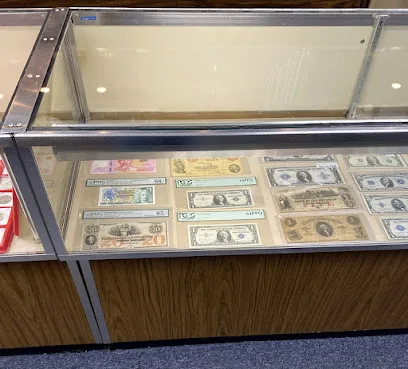
Before you take a box of mixed coins, gold, and silver to a dealer, the most practical question isn’t “what’s the price?” It’s whether the buyer will treat your material as numismatic/collector-grade coins, currency, or as bullion. Westerly Coins is a family-owned numismatics shop in Westerly, Rhode Island, and its official site states that it is currently centering operations around only purchasing collectible coins and currency (with a brief hiatus from buying/selling bullion and jewelry). That means your preparation should start with sorting by what you have—and confirming which buckets they’re taking right now.
Start with the classification question: collectible coins vs. bullion
Westerly Coins highlights that its purchase focus is collectible coins and currency for the time being. If your collection includes bullion products alongside older U.S. or foreign coinage, don’t assume they will price everything the same way. When a dealer’s operations are centered on numismatic material, they can be more selective about what they’ll buy and how they value it. The safest first step is to separate your inventory into (1) coins you consider collectible/grade-worthy and (2) any bullion items or jewelry pieces you might have bundled together.
Build an “item map” so you get category-appropriate discussion
To reduce back-and-forth, walk in with a simple item map. For each group, note the basics you can (denomination, country, approximate date range, and any grading information you already have). Westerly Coins’ site describes experience in numismatics and lists categories like graded coins and ungraded coins & currency, which is a good signal that internal sorting matters to the process. If you bring a mixed lot without any structure, your offers may take longer to clarify because the dealer still has to categorize before quoting.
What to do with “graded” vs. “ungraded” coins
Even if you don’t have certification for every piece, try to label which items you believe are graded and which are not. That helps the dealer explain how they will handle condition and authenticity review for collector-grade coins. If you do have graded pieces, include the slab/label details you already see—don’t rely on memory. When offers depend on identification and condition, small documentation gaps become delays.
Use their public details to confirm fit before you show up
Westerly Coins publishes concrete contact information: 8 B&C, 8 Canal St UNIT B, Westerly, RI 02891, United States and phone +1 401-596-2298, with an official site at https://www.westerlycoins.com/. Before you bring your items, it’s reasonable to call and ask one targeted question: “Are you currently buying my type of coins/currency only, and are you still taking any bullion or jewelry items right now?” Their site explicitly mentions a hiatus from bullion and jewelry buying/selling, so confirming in real time can prevent category mismatch.
Ask for the scope of what’s accepted
When the dealer’s focus is narrowed, “accepted” can mean more than one thing: they may accept only certain coin types, or only certain condition ranges, or they may treat bullion differently than you expect. Your call should cover what they’re purchasing today, not what you assume from a general coin-dealer category.
How to present precious metals so you’re not penalized by packaging
If you have gold or silver mixed into your collection, don’t hand over everything as one pile. Instead, keep bullion products separate from coins you’re trying to sell as numismatic material. This isn’t about gaming a quote—it’s about helping the dealer do the category work they need to do. If Westerly Coins is currently centered on collectible coins and currency, the more clearly you separate coin versus bullion, the more likely the conversation will stay on the right lane from the first minute.
In short, Westerly Coins’ own messaging suggests that your best results start with preparation: sort your inventory, confirm the current buying scope by phone, and bring an item map that matches how a numismatics-focused dealer classifies what they review. That approach makes the offer conversation clearer—whether you’re selling collectible coin holdings or consolidating currency—while avoiding surprises when bullion isn’t part of the current buying window.
Other guides worth a read
Rogue Coin & Jewelry in Asheville: Is Your Gold Item Bullion or Scrap?
A practical way to sort coins, bullion, and scrap gold before contacting Rogue Coin & Jewelry in Asheville—and what to clarify about the item and its…
Silver Mountain Coin & Jewelry: Separating Numismatic Interest from Bullion Value in Asheville
Silver Mountain Coin & Jewelry lists coins, bullion, paper money, gold, and silver in Asheville. Learn how to organize a collection and frame a focus…
WNC Coins in Asheville: Choosing a Rare-Coin or Bullion Inquiry
WNC Coins lists rare coins, gold and silver bullion, and jewelry among its buying and selling areas. This guide helps Asheville readers decide what i…
Editorial note. Honduras Collectibles is an independent directory and does not buy or sell coins, broker transactions, certify dealers, or promise quotes. Prices and percentages quoted reflect industry-typical ranges and are indicative only; spot price is a reference point, not a dealer offer. We do not provide professional valuation or investment advice.