What a Coin Grade Tells You—and What It Leaves Out
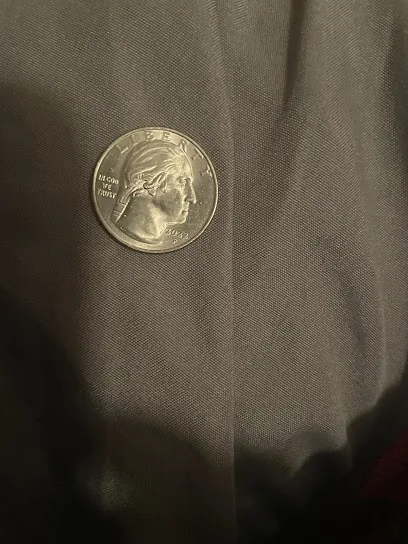
A coin grade is a shorthand for physical condition, not a complete description of the coin. On the Sheldon scale, grades run from 1 to 70. The number helps you compare preservation, but you still need to identify the issue and inspect the coin’s features before deciding what the grade means for your comparison.
Read the number as a condition label
The Sheldon scale gives a shared framework for describing condition. At the low end, a grade of 1 indicates a heavily worn coin with limited detail remaining. At the high end, 70 represents an exceptionally preserved example under the grading scale. The numbers between those endpoints distinguish degrees of wear and preservation; they are not a percentage score, a rarity ranking, or a direct measure of desirability.
Mint State grades, written with the prefix MS, run from MS-60 through MS-70. These grades describe coins that are considered uncirculated, with distinctions in preservation and appearance separating one number from another. About Uncirculated coins fall just below the Mint State range: they may show only limited wear, but that distinction matters when comparing them with an uncirculated example.
Proof is a different kind of label. A proof is a specially produced coin, not a condition category. Proof grades use PR or PF before the number, so Proof 65 and MS-65 share a number but describe different formats. A proof coin can have a grade, just as a business-strike coin can; the prefix tells you which kind of coin the grade refers to.
See what condition graders assess
Wear is one visible part of a grade. It often appears first on the highest raised parts of a design, where circulation and handling gradually soften detail. On a portrait, for example, the cheek or hair above the ear may show friction before recessed areas do. The amount and location of that wear help distinguish a lightly circulated coin from one whose design has been more substantially flattened.
Surface luster provides another clue. Original mint luster is the way light moves across an unworn surface; rubbing can interrupt that appearance even when the coin still looks bright. Brightness alone therefore does not describe preservation. A polished or harshly cleaned surface can look shiny while lacking the original texture collectors expect to see.
Contact marks, strike strength, and overall eye appeal also enter the condition judgment. Contact marks are small abrasions from coins or objects touching the surface. Their number, size, and placement can affect how the coin presents, while a weak strike may leave design details less distinct even when the coin has seen little circulation. Two coins with similar wear can consequently look quite different: one might have a strong strike and scattered marks, while the other has fewer marks but less appealing surfaces.
Separate condition from identity and value
A grade does not tell you the coin’s date, mint mark, variety, or metal content. Those facts identify what you are looking at. A small mint mark or a variety feature can distinguish one issue from another, and gold or silver content is a separate characteristic from surface preservation. Collector demand and market context are separate again; a high grade does not automatically make every coin scarce or valuable.
Grading standards can also vary with coin type and grading service. The same grade number should not be treated as a guarantee that two different issues have identical visual quality. In addition, a coin with a significant surface problem may receive a details grade and a notation describing the problem instead of an ordinary numeric grade. That designation communicates a different kind of condition information and should not be compared as if it were simply another point on the standard scale.
Coin collectors in Greenville can find local details for Coin Depot.
Use the grade to make a like-for-like comparison
When comparing a coin in hand with a listing or another example, keep the comparison focused on the same issue and the same kind of grade. This sequence helps prevent a familiar number from doing more work than it can:
- Identify the issue. Match denomination, date, mint mark, and variety. A grade comparison between different dates or varieties may tell you little about the coin you are actually evaluating.
- Read the complete designation. Note whether the label is MS, AU, or PR/PF, and whether it is a numeric grade or a details designation. The prefix and any notation change what the number describes.
- Compare the surfaces. Look at clear images or inspect the coins directly, paying attention to high points, luster, marks, strike, and overall presentation. Similar grades can contain visible differences, so the number is a starting point for looking rather than a substitute for it.
- Keep price in its own comparison. Compare market information for the same issue and grade context. A grade describes condition; a price also reflects factors such as the coin’s identity, availability, and collector demand.
The useful question is not simply whether one grade is higher. Ask whether the coins are the same issue, whether their designations describe the same format and condition category, and what differences remain visible. That gives the grade its proper role: a compact condition label that makes a fair comparison possible without standing in for the coin itself.
Other guides worth a read
How Can You Calculate a Coin’s Silver Melt Value?
Identify a coin’s silver content, convert its weight to troy ounces, and multiply by a matching spot quote to estimate its silver melt value.
Is That Coin a Mint Error—or Damage?
Learn how production-stage clues, recognized error patterns, and doubled details can help distinguish a genuine mint error from damage that occurred…
What a Verbal Coin Appraisal Can Tell You Before You Sell
A verbal coin appraisal can help you understand what is being evaluated. Learn how to define its scope and separate an opinion from a purchase offer.
Editorial note. Honduras Collectibles is an independent directory and does not buy or sell coins, broker transactions, certify dealers, or promise quotes. Prices and percentages quoted reflect industry-typical ranges and are indicative only; spot price is a reference point, not a dealer offer. We do not provide professional valuation or investment advice.