A Safe Place for Coins Starts With the Right Holder
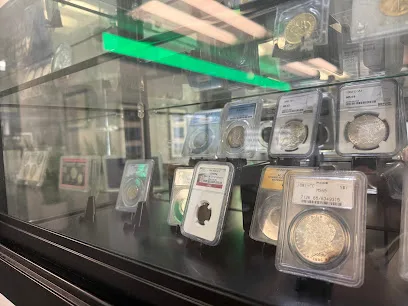
For home storage, a good default is to handle a coin by its edge, place it in a holder designed for coins, and store that holder in a clean indoor location with steady conditions. The goal is not to make an old coin look new; it is to avoid adding marks, residue, or environmental exposure while keeping each piece identifiable. A small routine matters because many forms of wear begin with ordinary actions such as setting a coin on a hard table or letting loose pieces rub together.
Handle coins in a way that limits contact
Before picking up a coin, clear a space and lay down a clean, soft surface. This creates a buffer if the coin slips and keeps grit on a tabletop from acting like an abrasive. Hold the coin at its edge between fingers rather than pressing a thumb onto either face. The obverse and reverse are the surfaces collectors examine for design details, condition, and marks; repeated contact can leave fingerprints, and rubbing can drag tiny particles across the metal.
When you want to inspect both sides, turn the coin by its edge instead of sliding it across a surface. Work with one coin at a time, especially when comparing dates, mint marks, or denominations. For example, if you are sorting a handful of mixed coins, setting each one down separately before reaching for the next helps prevent pieces from striking or scraping against one another. This is a handling habit, not a cleaning method: wiping a coin can change its surface, so routine inspection should not involve polishing or rubbing.
Choose a holder made for coin storage
A holder should keep a coin from shifting while allowing you to identify it without repeatedly taking it out. Coin-specific rigid holders and archival-quality PET or Mylar flips are common options. Rigid holders can provide a firm enclosure; flexible archival flips are lighter and useful for organizing individual pieces. Whatever format you choose, the coin should fit appropriately and remain separated from other coins rather than moving loose in a shared container.
Material and construction matter as much as the holder’s shape. Some flexible holders contain polyvinyl chloride (PVC), which can leave a residue on coins over time. Tape, rubber bands, and adhesive-backed materials also introduce substances or pressure that are not intended for long-term coin contact. For a small collection, a coin-specific holder gives each piece its own enclosure; for a larger group, individual holders can then be placed in a labeled tray or box. Avoid forcing a coin into a holder that is too tight or leaves it rattling freely.
Looking for a local coin dealer? New Orleans Silver And Gold is one New Orleans business to find in the area.
Keep the storage environment stable
Choose a clean indoor place that does not routinely become damp, hot, or exposed to steam. A basement can be vulnerable to moisture, while an attic may experience stronger temperature swings than the living space below it. A kitchen or bathroom brings the collection nearer to steam, cleaning products, or frequent changes in humidity. A shelf or cabinet in a stable room is generally a more practical setting than a location with those recurring conditions.
Keep holders away from household cleaners, salt, and other chemicals, and avoid a spot where direct sunlight or a heat source regularly falls. The point is to reduce avoidable exposure, not to create a complicated climate-control project. Leave the coins in their holders when moving the collection, and use a closed, labeled container to keep dust and casual handling down. If you use a safe or storage cabinet, the surrounding room and the materials stored beside the collection still matter; the container does not make every location equally suitable.
Make the collection identifiable and manageable
A separate inventory helps you know what is stored without opening every holder. Record each coin’s denomination and date, and include the mint mark when present. If a coin is in a certified holder, note its certification identifier exactly as shown. The record can also include the holder type and a short description that distinguishes similar pieces, such as a particular design or visible feature.
Organize the physical collection to match the inventory: group holders by a clear system, then label the outer tray or box rather than placing adhesive directly on a coin holder. Photographs of coins in their holders can help document the collection and make visual identification easier later. Keep those records separate from the stored coins, so information remains available without repeatedly handling or moving the pieces. An orderly inventory is useful for routine collection management and makes it easier to locate a specific coin when you want to examine it.
Other guides worth a read
Sell Rare Coins to a Dealer or at Auction?
Compare a direct dealer offer with auction bidding by buyer demand, likely net proceeds, timing, and the written terms that govern each route.
Is Third-Party Coin Grading Worth the Cost Before a Sale?
Learn when professional coin certification may help a sale, how to count the full submission cost, and how to compare relevant completed sales.
How to Compare Bullion Bars and Coins Before Buying
Compare bullion by fine-metal content, total transaction cost, product type, and resale flexibility—not by item count or headline price alone.
Editorial note. Honduras Collectibles is an independent directory and does not buy or sell coins, broker transactions, certify dealers, or promise quotes. Prices and percentages quoted reflect industry-typical ranges and are indicative only; spot price is a reference point, not a dealer offer. We do not provide professional valuation or investment advice.