Should You Clean an Old Coin Before Selling It?
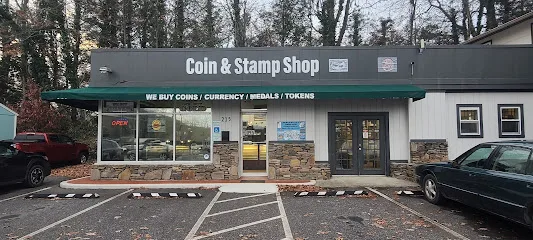
Usually, you should not clean an old coin before selling it. Polishing, rubbing, or soaking can change the surface a collector evaluates, and a brighter appearance does not restore the coin’s original condition. If you are unsure what a mark or residue means, preserving the coin as found gives a buyer a clearer basis for assessing it.
Why cleaning can hurt a coin
A coin’s surface is part of its condition. Rubbing it with a cloth can leave fine, parallel scratches often called hairlines. They may be easiest to notice when light moves across the surface, but the marks can be subtle and still matter to a numismatic assessment. A coin can look shinier after rubbing while also showing evidence of alteration.
Polishes and abrasive cleaners create a related problem: they can disturb the surface or remove small amounts of metal. The resulting shine may look unlike the coin’s natural appearance, and cleaning does not undo wear or improve the details that have already been lost. For an old silver, gold, or copper coin, preserving what is there is generally more useful than trying to make it look new. A collector evaluates the altered surface, not the intention behind the cleaning.
What surface clues can—and cannot—tell you
To inspect a coin without handling it more than necessary, view it under steady light and tilt it gently. Fine, similar-looking lines across the fields—the open areas around the design—may be consistent with rubbing or polishing. An unusually even sheen can also prompt a closer look. These are observations, not a reliable verdict about who cleaned the coin, when it happened, or how it affects a particular sale.
Toning, discoloration, residue, and ordinary wear can have different causes. Color alone does not establish that a coin was cleaned, and a mark that looks like residue may require a closer examination to identify. Record what you actually see, such as “dark patch near the rim” or “parallel lines visible under angled light,” rather than assigning a cause or grade based only on appearance. That distinction keeps a description useful without turning a visual guess into a claim.
What to do instead of trying a home remedy
Leave the surface alone: avoid household polish, erasers, abrasive cloths, and improvised chemical treatments. Do not scrape a spot or test it with a liquid to see whether it comes off. Those attempts can create new marks or change the surface you were trying to understand. If the coin has loose dirt or something that appears to be residue, describe the concern rather than experimenting on the piece.
When you need to handle it, hold the coin by its edges and avoid touching the flat faces. Set it down on a clean, stable surface rather than sliding it across a table. If you are organizing several pieces, keep each one identifiable and separate so that coins do not knock against one another. The aim is not to improve the appearance at home; it is to avoid adding fresh changes before anyone assesses the coin.
How to present a coin when you plan to sell
Give a prospective buyer a straightforward account of what you know. If someone previously cleaned the coin, say so; if you are uncertain, describe the visible lines, color, or residue without presenting a guess as history. Do not try to hide marks with another treatment. An accurate description makes it easier to discuss the coin’s present state rather than an imagined original appearance.
Photograph both sides as they look now, using clear, even light and an ordinary camera setting. Avoid filters or editing that changes the surface color or shine. A photo can help identify the piece and show visible details, although it cannot replace in-person examination of condition. Keep any existing holder or label with the coin if it contains identifying information, and distinguish that information from your own observations.
Black Mountain Coins & Stamps says it buys coins; Black Mountain Coins & Stamps is one local option to contact about a particular piece. When describing the coin, include its date and denomination if you can identify them, along with the surface details you observed and any known cleaning history.
Other guides worth a read
Melt Value Is Not the Same as a Coin Dealer’s Offer
Learn how to estimate a coin’s precious-metal melt value, then separate that calculation from bullion resale terms and numismatic value.
What Belongs in a Coin Inventory Before an Appraisal?
Build a useful coin inventory with identifying details, holder information, observations, photos, and clear notes about anything you cannot identify…
Dealer or Auction? Choosing How to Sell Your Coins
Compare a direct coin dealer sale with auction consignment by weighing net proceeds, timing, fees, buyer demand, and how much uncertainty you can acc…
Editorial note. Honduras Collectibles is an independent directory and does not buy or sell coins, broker transactions, certify dealers, or promise quotes. Prices and percentages quoted reflect industry-typical ranges and are indicative only; spot price is a reference point, not a dealer offer. We do not provide professional valuation or investment advice.