Does a D Mint Mark Mean a Dahlonega Coin?
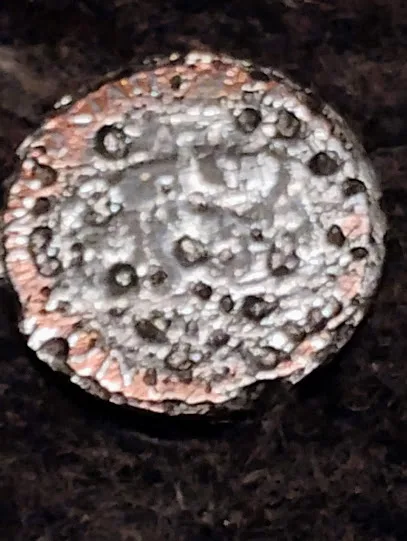
No—not by itself. A D mint mark appears on U.S. coins associated with both the Dahlonega and Denver mints. The most useful first test is the date: Dahlonega struck gold coins from 1838 through 1861, while Denver coinage began in 1906. Then identify the denomination and compare the coin’s design with a reference for that specific series. The letter is a clue; the date and the rest of the coin give it context.
Treat the mint mark as a clue, not a complete attribution
A mint mark is a letter or other mark used to identify where a coin was produced. But a letter does not have one universal meaning across every U.S. issue. In this case, D is associated with two different mints operating in different periods. Reading the mark before identifying the coin can therefore send an attribution in the wrong direction.
Start by looking at the whole coin rather than isolating the letter. Note the date, the denomination if visible, and the design on both sides. The position and use of a mint mark depend on the particular coin’s design and denomination, so a D in a familiar-looking spot should still be checked against that issue. A worn mark can also be difficult to distinguish from a scratch, a design element, or damage; the surrounding details help you decide what you are actually seeing.
Use the date to separate Dahlonega from Denver
The mints’ operating periods provide a practical first filter for a D-marked U.S. coin. Dahlonega’s gold coinage dates from 1838 through 1861. Denver coinage began in 1906. Those dates are far enough apart to resolve many initial questions without relying on guesswork about the letter’s shape.
| Coin date | What the D suggests |
|---|---|
| 1838–1861 | A Dahlonega attribution may fit, provided the denomination and design match a Dahlonega issue. |
| 1906 or later | The date points to Denver, not the Dahlonega Mint. |
| Outside those periods or unclear | Recheck the date and identify the exact coin type before assigning a mint. |
For example, imagine a gold coin with a readable date of 1855 and a D mark. That date falls within Dahlonega’s coinage period, so Dahlonega is a plausible direction for further identification. A D-marked coin dated 1910 belongs to a period when Denver coinage had begun; it should not be called a Dahlonega coin just because the same letter appears. The date narrows the possibilities, but the next check is whether that specific type was made at the relevant mint.
Confirm the denomination and design
Once the date gives you a likely period, identify the coin’s denomination and compare both sides with a dependable numismatic reference covering that series. Match the portrait, lettering, denomination, date style, and other design details—not just the mint-mark letter. Then check whether the reference places a D mark on that denomination and design for the date in question.
This comparison matters because a date and letter can look persuasive while the rest of the coin points to a different issue. If wear obscures a key feature, record it as unreadable rather than filling in the gap from expectation. A reference image or description for the exact coin type is more useful than a general list of mint marks, because it lets you compare the mark’s placement and the design as a set.
Record the attribution before making another decision
Write down the date, denomination, mint mark, and the design details that match your reference. Keep the attribution separate from later questions about grade, authenticity, or market value: identifying a likely mint is one part of describing a coin, not a complete evaluation of it. This compact record also makes it easier to revisit the reasoning if a clearer image or additional reference changes your reading.
Collectors in Atlanta can find information about Hancock & Harwell Coins & Metals, whose site describes buying, selling, and appraising rare U.S. coin collections, including Dahlonega-mint gold coins.
Other guides worth a read
What a Coin Grade Tells You—and What It Leaves Out
A coin grade summarizes physical condition, but it does not identify every feature or establish a price. Learn how to read the number and compare coi…
How Can You Calculate a Coin’s Silver Melt Value?
Identify a coin’s silver content, convert its weight to troy ounces, and multiply by a matching spot quote to estimate its silver melt value.
Is That Coin a Mint Error—or Damage?
Learn how production-stage clues, recognized error patterns, and doubled details can help distinguish a genuine mint error from damage that occurred…
Editorial note. Honduras Collectibles is an independent directory and does not buy or sell coins, broker transactions, certify dealers, or promise quotes. Prices and percentages quoted reflect industry-typical ranges and are indicative only; spot price is a reference point, not a dealer offer. We do not provide professional valuation or investment advice.