How to Evaluate Certified Low-Mintage Coins in Fort Lauderdale
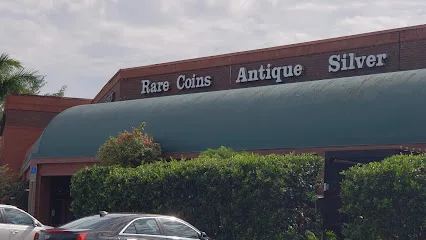
A low-mintage coin can be scarce by issue, attractive in its certified condition, or both—but those are separate reasons to consider it. Before treating a listing as a buying decision, read the coin description, grade, strike designation, and stated mintage independently, then verify the certification and research comparable market information. Fort Lauderdale Rare Coin Collector’s website features certified low-mintage gold, platinum, and palladium coins; the same evaluation method applies across those categories.
Read the grade as a condition description
For a certified coin, the numeric grade describes condition; it does not by itself establish rarity, collector demand, or a fair price. NGC describes its numeric scale as running from 1 to 70 for problem-free coins, with higher numbers indicating better condition. A 70 is a defined grade, not a statement that the coin is the rarest example of its issue or that its asking price is supported by demand.
Also separate the grade from the strike designation. NGC uses MS for Mint State coins struck for circulation and PF for Proof coins struck for collectors; SP identifies a Specimen coin that falls short of the Proof definition but is superior to normal currency issues. These prefixes tell you about production and appearance, while the number communicates condition. A listing such as “PR 70” therefore combines two kinds of information. Read both rather than letting the impressive-looking number stand in for the full description.
Certification can also involve a details grade when surface problems prevent a numeric grade under the service’s standards. That distinction matters when comparing two coins described as the same issue: one numeric grade may not be directly interchangeable with a details assessment. Start with exactly what the label says, not a shortened headline.
Put the mintage figure in context
Mintage is the number of coins struck for an issue, while a certification grade concerns the condition of the particular coin being offered. Neither figure alone tells you how many examples survive today, how many collectors want them, or what a reasonable current price is. A small stated mintage can be a useful rarity clue, but it is not a price formula.
The distinction is relevant to the kinds of material listed by Fort Lauderdale Rare Coins. Its website describes certified low-mintage gold, platinum, and palladium coins, so a reader may encounter precious-metal content alongside numismatic details. Separate those questions: metal content describes one component of a coin’s appeal, while issue, condition, and collector interest require their own research. A mintage claim should be checked against the specific coin’s issue information rather than inferred from a certification number or grade.
When comparing examples, make sure you are looking at the same issue, denomination, date, and relevant variety. A superficially similar coin may have a different mintage or attribution. Record the source of each mintage figure and note whether it refers to the whole issue or a particular finish or version. If the listing does not make that clear, the uncertainty is a reason to investigate the attribution before comparing prices.
Verify the label and the coin’s identity
For an NGC-certified coin, NGC recommends checking its certification information before purchase. The verification record can help confirm the description, grade, variety attribution, and special designation. Compare those details with the physical label and the seller’s description. A certification number is useful because it connects a coin to a particular record; it should not be mistaken for a mintage limit or a count of coins at that grade.
Pay attention to every part of the attribution. A special designation or variety can change which comparable coins are relevant, while a mismatch between the label and listing can make a price comparison unreliable. Fort Lauderdale Rare Coin Collector reports being an authorized NGC dealer since 1987 and a PCGS dealer since 1986. That is useful context when considering a certified-coin listing, but it does not replace checking the individual coin’s certification record and description.
Research the price separately from the grade
After identifying the coin, look for recent market evidence for the same issue and comparable grade, designation, and variety. NGC’s buying guidance distinguishes fair-market research from simply reading a grade; certification makes condition easier to communicate, but the number does not supply a current price. Comparisons are most useful when they match the coin closely and distinguish asking prices from completed transactions where that information is available.
Finally, check the status and terms shown on the specific product listing rather than relying on a general category page. A site may display items with different statuses, and an earlier listing is not proof that a particular coin remains available now. A sound decision keeps four questions apart: What coin is it? What does its grade say? What does the mintage establish? What market evidence supports the price? Answering each from the relevant record makes a low-mintage certification meaningful without asking one label to prove everything.
Other guides worth a read
First Coast Coin in Jacksonville: Is an Early American Coin Review the Right Fit?
First Coast Coin focuses on Early American coins and currency and works by appointment. Learn how to frame a Jacksonville inquiry around collection e…
Augusta Coin Exchange: Separating Coin Collecting Questions from Bullion Questions
Augusta Coin Exchange lists rare coins, currency, gold and silver bullion, and appraisal services. Here is how to frame an inquiry around the kind of…
Miller's Coins & Currency in Pooler: Preparing an Inherited Coin Collection for Review
Miller's Coins & Currency lists verbal appraisals for coin collections in Pooler. Learn how to sort mixed holdings and frame a useful first inquiry.
Editorial note. Honduras Collectibles is an independent directory and does not buy or sell coins, broker transactions, certify dealers, or promise quotes. Prices and percentages quoted reflect industry-typical ranges and are indicative only; spot price is a reference point, not a dealer offer. We do not provide professional valuation or investment advice.