Should You Clean a Coin Before Selling It?
Usually, you should not clean a coin before selling it. Rubbing, polishing, or applying a household product can alter the surface that collectors use to judge condition. A coin that looks brighter afterward is not necessarily a coin in better condition; visible cleaning marks or changed color can make it less appealing to numismatic buyers. The safer approach is to preserve the coin as it is, document what you can observe, and get an informed opinion if something is stuck to the surface or appears to be corrosion.
Why cleaning can hurt a coin
Collectors look at more than a coin’s date and design. The surface carries evidence of how the coin has been handled and preserved. Even gentle rubbing can drag tiny particles across the metal and leave fine parallel scratches, commonly called hairlines. A coin may catch the light more brightly after polishing, while those lines remain visible when it is tilted. The result can look less natural than the original surface and may reduce collector interest.
Cleaning products create other risks. Abrasive powders and polishing cloths can remove metal, soften design details, or leave a surface that reflects light differently from an untouched example. Chemical dips and household cleaners can change color unevenly or affect areas that are difficult to rinse. The exact result depends on the coin and the treatment, but once a surface has been changed, the original appearance cannot simply be restored by putting the coin back in a holder.
Toning—the color that develops on some coins over time—is not automatically dirt. Collectors may value natural-looking surfaces, and opinions about color can depend on the particular coin. A dark spot or dull finish may be part of the coin’s history rather than something to remove. Brightness alone does not establish quality: condition also includes remaining detail, marks, and the character of the surface.
What to do instead before a sale
Prepare a useful record without trying to improve the coin’s appearance. Handle it by the edge when practical, and do not scrape or rub an area to make a date or mint mark easier to read. Note visible details in neutral terms rather than guessing at a variety or grade. For a small group, keep each coin’s notes separate so an identification is not accidentally assigned to the wrong piece.
- Record the date, denomination, and visible mint mark, if present.
- Photograph both sides in clear, even light; avoid filters or editing that changes the apparent color.
- Include a close view of a feature that is hard to see, while keeping the overall coin visible for context.
- Keep any original holder, label, or accompanying paperwork with the coin rather than discarding it.
- Disclose any cleaning or treatment you know about, including who performed it if that information is available.
Photographs help communicate what you have, but they cannot show every surface feature as well as an in-person view under changing light. Describe what you can see and leave conclusions about grade or rarity to an informed evaluation. For example, if a coin’s date is partly obscured, record the readable digits and photograph the area; do not use a pin or cloth to uncover it. This keeps your notes useful without creating fresh marks.
When a coin needs more than ordinary handling
A loose coin that is simply dusty is different from one with sticky residue, active-looking corrosion, or a substance firmly attached to it. Picking at material can scratch the coin, and an improvised soak or chemical treatment may spread damage or alter the surface. Set it aside without experimenting, and seek an informed assessment before deciding whether any conservation is appropriate. This is especially important when the coin may be scarce or valuable, since a well-intended attempt at cleaning can permanently change details that matter to a collector.
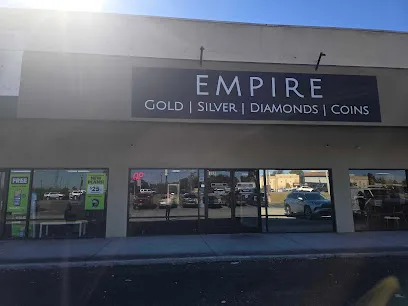
If you are comparing options for a coin sale near Fort Oglethorpe, Empire Gold and Silver identifies a retail location there and says numismatists are available.
The practical decision is straightforward: unless a qualified assessment gives you a specific reason to do otherwise, leave the coin untreated. A natural surface, accurate identification notes, and honest photographs give a buyer or evaluator a clearer basis for discussion than a shine created at home.
Other guides worth a read
Selling an Inherited Coin Collection? Start With an Inventory
A careful inventory preserves identifying clues, separates known details from guesses, and helps you compare practical ways to sell inherited coins.
When Is a Coin Worth More Than Its Metal?
Learn how to estimate a coin’s precious-metal baseline, compare it with completed sales of the same issue, and judge what an actual offer means.
What a Coin’s Mint Mark Can—and Can’t—Tell You
A mint mark points to a coin’s producing mint. Learn how to read it with the date and design, and why it does not determine rarity or value by itself.
Editorial note. Honduras Collectibles is an independent directory and does not buy or sell coins, broker transactions, certify dealers, or promise quotes. Prices and percentages quoted reflect industry-typical ranges and are indicative only; spot price is a reference point, not a dealer offer. We do not provide professional valuation or investment advice.