How to Tell Whether a Coin’s Value Is Bullion or Collector Demand
A gold or silver coin can have two sources of value: the precious metal it contains and demand from collectors for that particular issue. To understand which matters more, estimate the metal value, then consider the coin’s identity, condition, and market for comparable examples. Neither age nor a precious-metal composition alone tells you what someone will pay.
Separate metal value from collector demand
Bullion value is an estimate of the precious metal in a coin, calculated using its metal content and a market price for that metal. Numismatic value is the value associated with the coin as a collectible. It can reflect how desirable a date, mintmark, variety, or condition is to collectors. These are different ways of looking at the same object, not mutually exclusive categories.
A silver coin may be sought after for its metal and for its place in a popular series. A gold coin may likewise attract collectors beyond people interested in bullion. Conversely, a coin that looks old or unusual may have little collector demand if many comparable examples are available. The useful question is not simply “Is it gold or silver?” but “What specific coin is it, and what makes buyers want this issue?”
A dealer’s offer is also not identical to either a metal calculation or a collector’s asking price. A transaction price reflects the buyer’s assessment of the item and the conditions of buying and reselling it. Treat a metal estimate as a point of comparison, not a promise of a particular offer.
Estimate the metal content, not a guaranteed sale price
A basic metal-value estimate needs three inputs: the coin’s weight, the proportion of its weight that is precious metal, and a current price for that metal. The units must match. If weight is in grams and the quoted metal price is per troy ounce, convert one so both measurements use the same unit before calculating. The result is an estimate of the contained metal’s value, not necessarily the coin’s value in a sale.
Composition matters because a coin’s total weight may include metals other than gold or silver. Use reliable identification information for the specific issue rather than assuming that every coin of a certain color, age, or denomination has the same purity. If the coin’s identity or composition is unclear, a calculation based on a guess can create false precision.
Even a careful calculation cannot dictate a buyer’s price. Market prices move, and buying or reselling involves costs and risks. A theoretical metal figure is most useful as a baseline: it helps distinguish a metal-driven coin from one whose potential collector interest deserves separate research.
Look for reasons collectors want that specific coin
Collector interest depends on details tied to the issue. Date and mintmark can distinguish one coin from another in a series; a variety may have a recognized design or production difference. The number of comparable examples available can matter, but a date that seems old or a feature that looks unusual does not establish scarcity by itself. Confirm the coin’s identity before drawing conclusions from a potentially important detail.
Condition also influences collector appeal. Wear, marks, and surface changes can affect how a coin compares with others of the same issue. Cleaning or polishing can alter the original surface and may reduce its appeal to collectors; do not clean a coin just to make it look newer. When condition is uncertain, describe what you can observe rather than assigning a confident grade from appearance alone.
To research collector demand, compare the same issue and a similar condition rather than relying on a broad search for a coin type. Asking prices show what sellers hope to receive, not necessarily completed transaction prices. Comparisons are more informative when the date, mintmark, variety, and condition match closely.
Triage a mixed group without overlooking an exception
Imagine a hypothetical group containing several common, heavily worn silver coins and one coin whose date appears less frequently in a reference. The first group might reasonably be examined mainly for metal content, while the apparent date distinction is a reason to identify and research the outlier separately. This is a sorting method, not a conclusion that the unusual-looking coin is rare or valuable.
Keep a coin apart from bulk material when its date, mintmark, variety, composition, or condition is uncertain. Record the visible details and compare them with reliable references before grouping it with ordinary bullion. That small pause reduces the chance of treating an identifiable collectible as undifferentiated metal, while also avoiding the opposite mistake of assuming every old coin carries a premium.
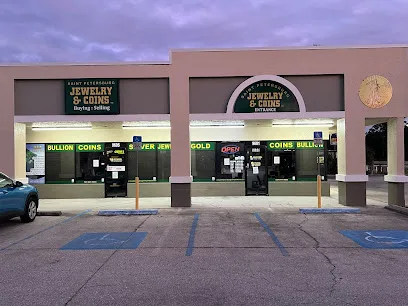
The practical answer is to use two lenses: calculate a cautious metal baseline, then test whether the specific coin has evidence of collector demand. For neutral local directory navigation, see Saint Petersburg Jewelry and Coins.
Other guides worth a read
How to Choose Between Morgan and Peace Silver Dollars
Compare Morgan and Peace silver dollars by design, collecting scope, dates, and mint marks so you can choose a series that fits your interests.
How to Store Collectible Coins at Home Without Damaging Them
Protect collectible coins from handling marks, unsuitable holders and unstable storage conditions with a simple, low-contact home setup.
Selling Wheat Pennies at Orlando Coin Exchange: What to Sort First
Orlando Coin Exchange generally declines small groups of ordinary wheat cents, but names key dates, certified coins, uncirculated rolls, and large qu…
Editorial note. Honduras Collectibles is an independent directory and does not buy or sell coins, broker transactions, certify dealers, or promise quotes. Prices and percentages quoted reflect industry-typical ranges and are indicative only; spot price is a reference point, not a dealer offer. We do not provide professional valuation or investment advice.