Should You Clean an Old Coin Before Selling It?
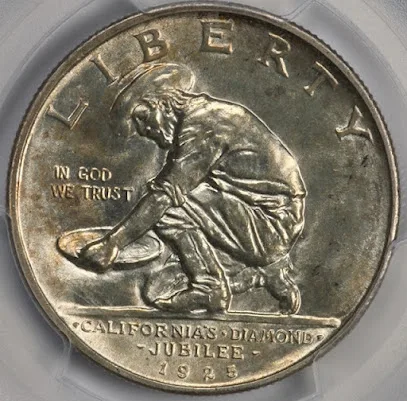
Usually, no: do not clean an old coin before selling it or having it evaluated. Polishing, wiping, or using a household cleaner can change the surface collectors want to examine, even when the coin looks brighter afterward. Leave the coin in its present condition, handle it carefully, and decide what to do only after you understand what you are seeing.
Why cleaning can change a coin’s collector appeal
A coin’s appearance is part of its condition. Rubbing a coin with cloth, paper, or an abrasive can leave fine parallel scratches known as hairlines. They may be difficult to see straight on but become more apparent when light falls across the surface at an angle. Polishing can also create an unnaturally bright look by disturbing or removing material at the surface. That brighter appearance is not the same as preserving the original surface.
Collectors and evaluators look at more than whether a coin shines. They consider wear, marks, color, and the overall character of the surfaces. A cleaned coin may still be identifiable and collectible, but evidence of cleaning can affect how its condition is understood and how appealing it is to a buyer. The effect is not identical for every coin; a common circulated piece and a scarce numismatic coin do not necessarily attract the same attention to surface details. In either case, cleaning cannot put back metal or restore the surface that was there before an abrasive or chemical treatment.
Chemical cleaners create a different risk. A dip or household product may change toning—the color that develops on a coin’s surface over time—and can leave an appearance that differs from the coin’s prior surface character. Scrubbing after using a product adds the possibility of scratches. A coin that looks dull or dark is not automatically improved by making it look bright, and visual brightness alone does not establish authenticity, grade, or value.
Toning, residue, and corrosion are not the same problem
Toning is a color change on the surface. It can be uneven, muted, or vivid; color by itself does not show that a coin needs treatment or tell you what it is worth. A coin’s date, design, metal, condition, and collector demand all matter to its market interest. Treating toning as dirt can lead to unnecessary cleaning and erase details of the surface that a buyer or evaluator would otherwise inspect.
Loose dust, sticky residue, a crusted deposit, and corrosion are different conditions, even if they all look like something attached to the coin. A loose particle may sit on top of a surface, while a persistent deposit or corrosion can be closely connected to damage or a change in the metal. From a quick glance, it may be difficult to tell which situation applies. Scraping or brushing at a spot can scratch the coin; applying vinegar, polish, soap, or another household chemical may alter the surrounding surface as well as the material you want to remove.
For that reason, resist the urge to test a small patch first. A test can still leave an irreversible mark, and a treatment that appears to work on one coin may not be suitable for another metal, finish, or type of deposit. If an unfamiliar substance is attached to a coin, documenting its appearance with a clear photograph is a safer first move than trying successive cleaning methods.
Preserve the coin and decide what to do next
Before a sale or evaluation, focus on preventing additional contact rather than improving the coin’s appearance. Use this simple handling sequence:
- Pick up the coin by its edges. Avoid touching the front or back, where skin oils and pressure can leave marks.
- Do not rub, polish, scrape, or apply a liquid. Keep the coin away from other loose coins that could slide against it.
- Place it separately in a holder intended for coins, without forcing it into a tight space or pressing against the faces.
- Note any visible deposit or change in appearance, and take a photograph if you want a record before seeking an evaluation.
Say you inherit a coin with a pale, unfamiliar crust near the rim. Trying to lift it with a fingernail might remove part of the deposit, but it could also gouge the coin or disturb nearby metal. Leaving the spot intact preserves more information for someone to examine: its color, texture, location, and relationship to the surrounding surface. That does not identify the substance, but it avoids making the original condition harder to assess.
If you are comparing a possible sale with a professional evaluation, describe what you can observe rather than calling the coin “dirty” or “rare” based only on appearance. Include the date, denomination or type if known, and any visible marks or deposits. Grand Rapids Coins is one local coin business you can look up when considering where to discuss a collection: Grand Rapids Coins.
If you find an unfamiliar deposit, leave it untouched and seek an evaluation before deciding whether any treatment is appropriate. This avoids risking new scratches or chemical changes before the coin’s surface can be assessed.
Other guides worth a read
Coin Auction Prices: Estimates, Hammer Prices, and Buyer’s Premiums
Learn how auction estimates, reserves, hammer prices, buyer’s premiums, and seller fees differ so you can compare a coin auction’s headline bid with…
What a Coin Grade Tells You—and What It Leaves Out
A coin’s grade summarizes condition on a shared scale, but it cannot answer every question about wear, strike, rarity, authenticity, or value.
When Does a Coin’s Metal Value Matter More Than Its Collector Value?
Learn how to estimate a precious-metal coin’s melt-value baseline, spot signs of collector demand, and compare the two without treating either as a g…
Editorial note. Honduras Collectibles is an independent directory and does not buy or sell coins, broker transactions, certify dealers, or promise quotes. Prices and percentages quoted reflect industry-typical ranges and are indicative only; spot price is a reference point, not a dealer offer. We do not provide professional valuation or investment advice.