How Should You Store Coins to Prevent Avoidable Damage?
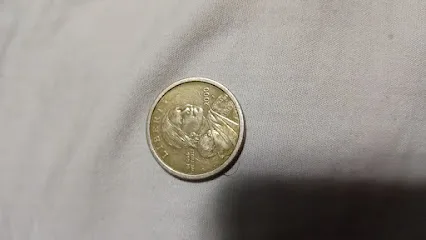
The most reliable way to prevent avoidable coin damage is to limit contact with the coin’s faces, place it in a holder made for its size and material, and store it somewhere clean and dry with relatively steady conditions. A storage system should prevent rubbing and make it possible to identify a piece without repeatedly taking it out.
Handle coins by the edges
When you need to move a coin, hold it at the edge rather than pinching the front and back. The faces are the surfaces collectors inspect for wear, marks, and other details; fingers can leave oils or residue there, while a slip can cause a scrape or impact. Avoid sliding a coin across a tabletop or letting it touch another coin as you sort.
Set up a clean, soft work surface before opening a holder or examining a loose piece. A cloth or similarly soft covering can reduce the chance of a damaging impact if a coin slips, and it also gives you a defined place to work. Keep other coins and hard tools away from that area. For example, if you are comparing several dates from a series, bring them out one at a time and return each to its own holder before moving on.
Choose a holder that fits the coin
A holder should keep the coin from shifting without putting pressure on its rim. A properly sized capsule, album, or other purpose-made coin holder can separate a piece from loose objects and reduce movement during ordinary storage. Check the fit rather than forcing a coin into an undersized opening: pressure can leave marks, and a tight holder may make removal awkward.
For flexible flips, look for ones labeled PVC-free. Some flexible holders contain polyvinyl chloride (PVC), which can break down and leave a greenish or sticky residue on a coin’s surface over time. That makes the material label a more useful selection detail than flexibility alone. Keep the holder intact and clean; a torn or dirty pocket may no longer protect the coin as intended.
Collectors in Martinez can find contact details for Clein's Rare Coins.
Keep storage conditions steady and clean
Choose a dry location away from frequent temperature swings. A damp basement can expose coins to persistent moisture, while an attic may become hot and experience large changes in temperature. Shifting conditions can also create opportunities for condensation on or around stored objects. A stable interior storage area is generally a better choice than a place with recurring dampness or heat.
Keep the collection away from household chemicals and fumes, including cleaning products and paint. Coins are metal surfaces, and contaminants in their surroundings can affect them; a closed drawer or cabinet that is separated from chemical storage reduces incidental exposure. Do not use a coin as a surface for testing cleaners, and do not polish or chemically clean a collectible before putting it away. Cleaning can alter the surface collectors assess, so storage is not a reason to try to make a coin look brighter.
Separate pieces and make them easy to track
Loose coins should not be stacked together or stored in a shared pocket where they can move against one another. Contact between pieces can cause scratches and edge marks, especially when a container is handled or transported. Individual holders or separate compartments keep coins from rubbing. Coin tubes and albums can organize groups, but use them in a way that prevents the pieces from shifting or striking each other.
Record identifying details and the coin’s location outside the coin itself. A label on a holder or compartment can note a date, mint mark, denomination, or collection grouping; a separate list can record where the piece is stored. This is useful when a collection includes similar-looking coins: you can find the right one without opening every holder or handling each piece to distinguish it.
A good storage arrangement is one you can maintain: each coin has a suitable place, the environment is not exposing it to avoidable hazards, and its record points to that place. That combination protects surfaces while keeping the collection accessible for study.
Other guides worth a read
Does a D Mint Mark Mean a Dahlonega Coin?
A D can point to either Dahlonega or Denver. Use the coin’s date, denomination, and design together to make a sound first attribution.
What a Coin Grade Tells You—and What It Leaves Out
A coin grade summarizes physical condition, but it does not identify every feature or establish a price. Learn how to read the number and compare coi…
How Can You Calculate a Coin’s Silver Melt Value?
Identify a coin’s silver content, convert its weight to troy ounces, and multiply by a matching spot quote to estimate its silver melt value.
Editorial note. Honduras Collectibles is an independent directory and does not buy or sell coins, broker transactions, certify dealers, or promise quotes. Prices and percentages quoted reflect industry-typical ranges and are indicative only; spot price is a reference point, not a dealer offer. We do not provide professional valuation or investment advice.