Is Third-Party Coin Grading Worth the Cost Before a Sale?
Third-party grading is worth considering when independent authentication or a precise condition assessment could change what buyers will pay enough to cover the total submission cost. It is usually a weaker fit for a common coin whose price mainly follows its metal content. The decision is not simply whether a coin looks valuable; it is whether certification is likely to improve the net result for this particular coin.
What third-party grading tells a buyer
A grading service examines a coin and provides an opinion about authenticity and condition. For many U.S. coins, condition is expressed on a numerical scale commonly running from 1 to 70. That number is a standardized shorthand for the coin’s state of preservation, not a dollar valuation. Details such as wear, marks, remaining design detail, and the coin’s overall appearance can matter to the assessment.
If accepted for grading, a coin is generally encapsulated in a protective holder that displays the service’s assessment. This can make it easier for prospective buyers to compare a coin with other certified examples and can reduce disagreement over what the grade means. The holder does not set a sale price: demand, the specific issue, and the terms of a transaction still shape what a buyer offers.
Choose coins whose certification could change the sale
Certification has the strongest case where collectors care about the distinction between examples. A scarce date, mint mark, or variety may draw more interest than an ordinary coin, and small differences in preservation can separate one grade from another. In such cases, an independent opinion can make a meaningful difference to how buyers evaluate the piece.
By contrast, a common bullion coin may trade primarily for its gold or silver content, with a comparatively small premium tied to its collectible features. Paying to certify an ordinary example may add little if buyers would make similar offers for the same coin without a grade. A coin with an uncertain authenticity or an unusual feature can also merit closer consideration, since resolving that question could change the pool of interested buyers.
Think about the likely buyer as well as the coin. A specialist collector comparing certified examples may value a recognized grade more than someone purchasing a familiar, widely traded bullion product. The useful question is not whether certification sounds reassuring; it is whether the people likely to buy this type of coin use certification to distinguish the examples they want.
Compare the likely benefit with the full cost
Estimate the cost per coin rather than looking only at a grading service’s headline fee. A submission can involve charges beyond the examination itself, including shipping and insurance. The total may also be affected by the service level or other submission conditions, so use the applicable terms for the specific coin and submission instead of assuming one flat amount.
Organize the comparison around the costs and possible sale outcomes:
| Part of the decision | What to include |
|---|---|
| Submission outlay | Grading charge plus applicable shipping and insurance |
| Ungraded outcome | Likely net proceeds for a comparable raw coin |
| Certified outcome | Likely net proceeds for a comparable coin in the grade it may receive |
Certification makes economic sense only if the likely improvement in net proceeds is greater than the added cost. Build in the possibility that the assigned grade will not support a higher price than the ungraded example. For a coin whose expected difference is small, a modest fee can consume the entire potential gain; for a sought-after coin, the same expense may be easier to justify if buyers pay distinctly different amounts for comparable grades.
Check comparable sales before deciding
Use completed sales, not optimistic asking prices, to test whether grading could change the result. Compare the same date, mint mark, and variety whenever possible. Then separate raw examples from certified coins and compare certified examples only when their grades are genuinely similar. An advertised price records what a seller hopes to receive; a completed sale offers stronger evidence of what a buyer actually paid.
Keep the comparison narrow. A coin with the same denomination but a different date or variety may have a different collector market. Likewise, a certified example in a substantially different grade is not a clean match. If the relevant completed sales are scattered or inconsistent, use the lower, more conservative expectation rather than treating an unusually high result as typical.
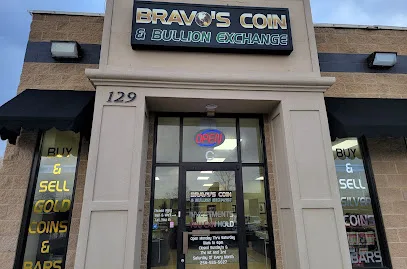
This comparison can be made before committing a coin to a grading service. For a local point of contact in the coin and bullion market, see Bravo's Coin & Bullion Exchange.
A practical decision comes from matching the coin to its market: when grade or authenticity separates meaningful completed-sale results, certification may be worth pricing out; when comparable coins sell similarly without it, the submission is harder to support.
Other guides worth a read
How to Compare Bullion Bars and Coins Before Buying
Compare bullion by fine-metal content, total transaction cost, product type, and resale flexibility—not by item count or headline price alone.
How to Evaluate a Coin Collection Before Accepting an Offer
Learn how to sort a large or inherited coin collection, distinguish identification from valuation, interpret a dealer’s purchase offer, and compare b…
Should You Clean an Old Coin Before an Appraisal?
Usually, leave an old coin as it is before an appraisal. Learn why cleaning can change its surface and what to document instead.
Editorial note. Honduras Collectibles is an independent directory and does not buy or sell coins, broker transactions, certify dealers, or promise quotes. Prices and percentages quoted reflect industry-typical ranges and are indicative only; spot price is a reference point, not a dealer offer. We do not provide professional valuation or investment advice.