Melt Value Is Not the Same as a Coin Dealer’s Offer
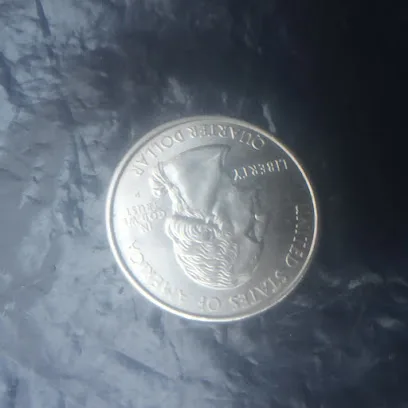
Melt value is an estimate of the precious metal contained in a coin, not the coin’s face value and not automatically the amount a buyer will pay. To calculate it, find the coin’s pure-metal weight and multiply by a market price stated in the same unit. A purchase offer can differ because it reflects the terms of the sale and may account for collector demand as well as metal.
What melt value measures
A coin’s face value is its denomination: the amount assigned to it as money. Melt value instead estimates the worth of its gold, silver, or other precious-metal content using a market price for that metal. The estimate leaves out any separate value the coin may have as a collectible.
Weight and purity both matter. A coin’s total weight can include alloy metals, so using its full weight as though it were pure gold or silver overstates the metal amount when the piece is not .999 fine. Fineness is the proportion of the coin’s weight that is the precious metal. For example, .750 fineness means 75 percent. The calculation is:
Pure-metal weight = total weight × fineness
This is why two coins with the same total weight can have different melt estimates if their metal compositions differ. The result is a metal-only reference point, not a grade, authentication finding, or complete appraisal of a numismatic coin.
Calculate metal content and its estimated value
Start with a reliable weight and the coin’s fineness, then keep units consistent from the weight conversion through the price multiplication. Precious-metal market quotes are often expressed per troy ounce, which is different from the everyday avoirdupois ounce. One troy ounce equals about 31.1035 grams.
Say a piece weighs 10 grams and is .750 fine. Its pure-metal content is 10 × .750, or 7.5 grams. Convert that amount to troy ounces: 7.5 ÷ 31.1035 is about 0.2411 troy ounce. If a made-up, illustrative metal quote were $2,400 per troy ounce, the calculation would be 0.2411 × $2,400, or about $578.64. That sample price is only for demonstrating the arithmetic; it is not a current quote.
With a live calculation, use a metal price and unit from the same point in time. If a quote is per gram, multiply by pure-metal grams; if it is per troy ounce, use the converted troy-ounce amount. Mixing a gram weight with a per-ounce price produces a meaningless comparison. The calculation also estimates contained metal, not necessarily the amount recoverable in a refining process.
Why an offer can differ from melt value
A buyer’s offer is the amount offered for the coin, while melt value is a calculation. An offer may be below the metal estimate because the buyer factors in resale risk, handling, and other costs of buying and reselling. The gap is not a fixed percentage: it can change with the market and with the terms and circumstances of the transaction.
Some coins also have numismatic value—collector interest tied to attributes such as date, mintmark, variety, rarity, and condition. In that case, a metal-only figure may miss a meaningful part of the coin’s market appeal. A scarce coin in strong condition could be evaluated differently from a common bullion coin of similar metal content. Conversely, a coin’s age or unusual appearance alone does not establish collector demand; the relevant comparison is with the same identifiable issue and a comparable condition.
Consequently, an offer does not have to equal melt value to be intelligible, and melt value alone does not establish whether a collectible coin is being priced fairly. The useful question is which basis the buyer is using: metal content, collectible characteristics, or a combination.
Compare estimates and offers on the same basis
When two figures differ, compare the assumptions behind them rather than just the final totals:
| Detail | What to compare |
|---|---|
| Weight and fineness | Total weight, purity, and resulting pure-metal amount |
| Price basis | Metal, unit, and time used for the reference quote |
| Transaction figure | Any stated adjustments and whether the number is an estimate or an offer |
For a coin with possible collector demand, keep the metal calculation separate from the numismatic comparison. Identify the coin by its date, mintmark, and variety where applicable, and compare it with examples of similar condition; otherwise, two offers may be evaluating different things. Readers in Lauderdale-by-the-Sea can find Commercial Rare Coins and Precious Metals at 219 Commercial Blvd.
Other guides worth a read
What Belongs in a Coin Inventory Before an Appraisal?
Build a useful coin inventory with identifying details, holder information, observations, photos, and clear notes about anything you cannot identify…
Dealer or Auction? Choosing How to Sell Your Coins
Compare a direct coin dealer sale with auction consignment by weighing net proceeds, timing, fees, buyer demand, and how much uncertainty you can acc…
How Should You Store Coins to Prevent Avoidable Damage?
Protect a coin’s surfaces by handling it carefully, choosing a suitable holder, controlling its storage environment, and keeping pieces separate and…
Editorial note. Honduras Collectibles is an independent directory and does not buy or sell coins, broker transactions, certify dealers, or promise quotes. Prices and percentages quoted reflect industry-typical ranges and are indicative only; spot price is a reference point, not a dealer offer. We do not provide professional valuation or investment advice.