How to Evaluate a Coin Collection Before Accepting an Offer
Why a collection’s value is not a simple total
A box of old coins can look like one collection, but its contents may have very different levels of collector interest. Two coins with the same denomination and similar designs can differ because of date, mint mark, variety, condition, or authenticity. A small detail can matter: a mint mark identifies where a coin was struck, while a variety may reflect a difference in the design or production. Those distinctions can make one piece worth closer study while a visually similar coin is common.
That is why a single figure based on the number of coins, face value, or a quick glance can be misleading. A collection might contain circulated coins with modest collector demand alongside a few pieces that warrant individual identification. The mix matters more than the container or the age of the group. Gold and silver coins can also be valued for different reasons: metal content may be a major consideration for some pieces, while rarity and collector demand may drive interest in others.
Published prices need context, too. A catalog or retail reference may describe a particular coin in a specified grade or a seller’s asking price; it does not automatically represent what someone will pay to buy an entire collection. A reference is a comparison point, not a guaranteed total for a seller. Before interpreting any sum, understand which coins and assumptions it covers.
What a collection-level review should distinguish
A useful first inventory creates a map of the material without pretending to settle every valuation question. Group coins by denomination and, where visible, date and mint mark. Record the quantity in each group, and keep anything that appears unusual or difficult to identify separate from ordinary-looking duplicates. This organization helps reveal gaps and concentration: a collection with many examples of one date is different from a run with just a few pieces from each year.
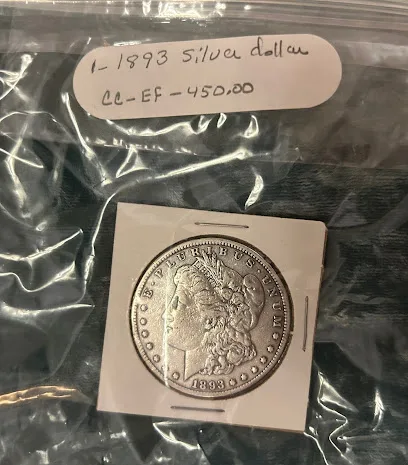
For a large or inherited group, a simple written list or spreadsheet is often more useful than trying to research every coin at once. Note visible inscriptions and identifying marks, but avoid assigning a confident variety or grade from a casual look. Keep coins in their existing holders while organizing them; the inventory’s purpose is to describe what is present, not to improve its appearance. If several coins are already labeled, record those labels as labels rather than treating them as independently verified conclusions.
Four questions should remain distinct: What is the coin? Is it genuine? What is its condition? What might it be worth in a particular transaction? Identification gives a name or issue; it does not itself authenticate a piece. A grade describes condition under a grading framework, but it is not a market price. Separating these questions makes it easier to understand whether a discussion has established an identity, an opinion about condition, or an actual purchase figure.
How to interpret a dealer’s offer
A dealer’s offer is a proposed purchase price from a buyer, not the same thing as a retail asking price or a printed reference value. The figures can differ because they describe different sides of a transaction. A retail price may be what a seller hopes to receive from a future customer; a purchase offer is what the dealer is willing to pay now for the material under consideration.
A buyer also takes on the work and uncertainty involved in reselling coins. Items may need further identification, authentication, grading, marketing, or time to find an interested customer. Those considerations can affect an offer, especially for a mixed group in which not every coin has the same demand. As a result, a number below a retail reference does not by itself show that the coin was overlooked or incorrectly assessed. The more useful question is how the offer was constructed: does it reflect metal value, collector interest, selected individual pieces, or the collection as a whole?
Ask for enough explanation to connect the amount to the material being purchased. A total for a mixed lot answers a different question from separate prices for a few highlighted coins. If a figure depends on a coin’s identity or condition, understanding that assumption helps explain the number without confusing a valuation opinion with a guaranteed market result.
Compare offers on an equal basis
To make two offers comparable, first check that both cover the same coins and quantities. One buyer may be pricing an entire collection, while another focuses on a handful of pieces and leaves the rest out. A higher number for selected coins is not necessarily a better offer for the full group. Likewise, a single total cannot be compared fairly with an itemized offer until the scope is aligned.
Write down what each offer includes and how it treats the items that matter most to you. If one estimate assigns individual amounts to certain coins while another gives only a lot price, identify which pieces account for the difference. The comparison should also use the same transaction basis: a dealer’s purchase offer should not be set beside a retail asking price as if both were bids to you. These simple distinctions often explain a gap before any conclusion about fairness is warranted.
If you seek another opinion, make it informative by having the same material reviewed and asking which specific coins or assumptions explain any difference. Keep your inventory and any written itemization together so you can follow the comparison. For local directory details, see Mid-American Rare Coin Galleries. The decision becomes clearer when each number is tied to the same coins, the same scope, and the kind of transaction it actually represents.
Other guides worth a read
Should You Clean an Old Coin Before an Appraisal?
Usually, leave an old coin as it is before an appraisal. Learn why cleaning can change its surface and what to document instead.
How to Identify a Coin by Its Date, Mint Mark, and Denomination
Learn how denomination, issuer, date, mint mark, and design details work together to identify a coin—and why identification is separate from rarity o…
How to Handle and Store Coins to Reduce the Risk of Damage
Learn how to handle coins by the edge, choose suitable holders, and keep a collection in stable conditions that help limit avoidable wear.
Editorial note. Honduras Collectibles is an independent directory and does not buy or sell coins, broker transactions, certify dealers, or promise quotes. Prices and percentages quoted reflect industry-typical ranges and are indicative only; spot price is a reference point, not a dealer offer. We do not provide professional valuation or investment advice.