Should You Clean an Old Coin Before an Appraisal?
If you are considering an appraisal or sale, leave an old coin uncleaned. Rubbing, polishing, or applying a substance can change the surface in ways that are difficult or impossible to reverse. A coin that looks brighter afterward is not necessarily more original, more collectible, or easier to evaluate. The safer starting point is to preserve what is there and let the coin’s condition be assessed as it is.
Why cleaning can work against your goal
A coin’s surface is part of its condition. Abrasive cleaning can create fine hairline scratches, sometimes visible as parallel lines under angled light. Polishing may also leave an unusually bright or reflective appearance that differs from the coin’s original finish. These changes can matter to collectors because they alter the physical evidence used to judge how a coin has been handled and preserved.
That is why “shiny” and “better condition” are not interchangeable descriptions. A worn coin does not regain its original detail when polished, and scratches do not disappear because dirt or discoloration has been removed. On a potentially numismatic piece, an altered surface may reduce collector interest even if the coin appears cleaner to an untrained eye. For bullion or common coins, appearance and metal content may be weighed differently by a prospective buyer, but cleaning still does not add metal or restore lost design detail.
Household methods introduce further uncertainty. A cloth, eraser, brush, or abrasive paste can leave marks; a liquid may react with the surface or leave residue. The result depends on the coin’s material and what is on it, neither of which can reliably be diagnosed just by wanting the piece to look brighter. An appraisal begins with the coin that exists, not an improved version created at home.
Cleaning, toning, and dirt are not the same thing
Toning is color that develops on a coin’s surface over time. It can appear as gradual color changes or more pronounced hues, and it is not automatically dirt or damage. Collectors may consider the character and originality of a toned surface as part of the coin’s appearance. Removing that color can leave a different-looking surface, so a color difference alone is not a sound reason to clean.
Other marks and deposits are harder to interpret. A spot might be residue, a stain, corrosion, or a feature of the coin’s surface; visual inspection at home may not reveal which. Trying to remove it can remove material along with the deposit or spread residue over a larger area. Even if the coin looks more uniform afterward, that does not establish what caused the original mark or prove that the result is preferable to collectors.
For example, imagine an inherited silver coin with dark areas near the rim. The color might look like something that should be wiped away, but its appearance alone does not tell you whether it is toning, residue, or another surface change. A cleaning attempt could erase evidence without answering that question. Leaving the surface intact preserves the option of having someone evaluate it in context.
What to do instead of cleaning it
Record the coin’s present condition before anything changes. Take clear photographs of both sides in ordinary, even light, keeping the camera steady and avoiding filters that alter color. Include a closer view of any mark that concerns you. The purpose is documentation, not a substitute for an in-person examination: photographs can help you remember the coin’s appearance and share a preliminary view, while lighting and image quality can affect what details are visible.
If the coin is already in a holder, do not force it out, but do not assume an unknown holder is suitable for long-term storage. Retain any label, envelope, receipt, or other material that accompanied it, since those items may help identify how the coin was described or stored. If it is loose, avoid rubbing it while moving it; place it somewhere stable where it will not slide against other coins or hard objects. Do not discard context just because it seems unrelated to the coin’s appearance.
Make a short note of what you know: where it came from, roughly when it entered the family or collection, and whether anyone previously handled or cleaned it. Separate what you know firsthand from what you were told. That distinction gives an evaluator useful background without turning an uncertain family story into a claim about the coin’s age, authenticity, or value.
When an appraisal can guide the decision
An appraisal can help clarify whether a coin merits collector-focused evaluation or whether the discussion is more about metal or resale value. It is a step toward informed decision-making, not a reason to prepare the coin by changing its surface. Bring the coin and any relevant holder or history together so the evaluation can consider the object and its context.
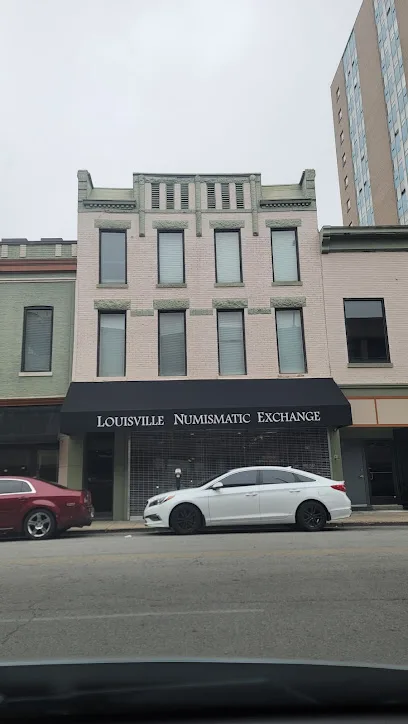
Louisville Numismatic Exchange’s official website says it offers appraisals for individuals and estates and buys and sells U.S. and collectible foreign coins. Readers can view the Louisville Numismatic Exchange directory page for its listing details.
Other guides worth a read
How to Identify a Coin by Its Date, Mint Mark, and Denomination
Learn how denomination, issuer, date, mint mark, and design details work together to identify a coin—and why identification is separate from rarity o…
How to Handle and Store Coins to Reduce the Risk of Damage
Learn how to handle coins by the edge, choose suitable holders, and keep a collection in stable conditions that help limit avoidable wear.
What a PCGS or NGC Coin Holder Tells You—and What It Doesn’t
Learn how to read a PCGS or NGC coin holder, distinguish its grade from market value, and decide whether a certified coin fits your collecting goals.
Editorial note. Honduras Collectibles is an independent directory and does not buy or sell coins, broker transactions, certify dealers, or promise quotes. Prices and percentages quoted reflect industry-typical ranges and are indicative only; spot price is a reference point, not a dealer offer. We do not provide professional valuation or investment advice.